
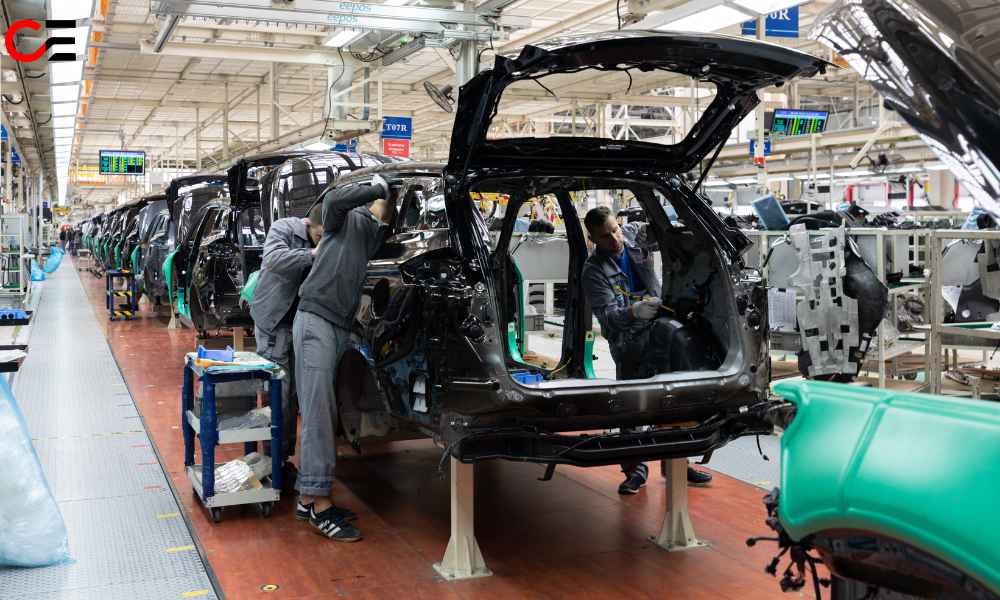
China’s electric vehicle innovator Leapmotor is accelerating its international expansion with a major assembly project in Spain—marking what many in the industry describe as a transformative moment for Europe’s rapidly evolving EV landscape. As production gears up, this development promises to reshape the region’s mobility sector, deepen economic ties, and position Spain as a new hub for electric vehicle manufacturing.
With rising global interest around topics such as inside leap, leapmotor interior, and leap engine animation, the company’s project continues to attract both consumer and industry-level attention. Moreover, Leapmotor’s partnership with Stellantis, which also has operations in India, strengthens its ambition for a wider international presence.
A Strategic Expansion Into Europe
Leapmotor’s Spain assembly project is part of its broader international strategy to strengthen its foothold in the European EV market. As the continent increases its commitment to clean mobility, the company aims to fill the growing demand for affordable, high-quality electric vehicles.
The initiative comes at a time when Spain is becoming a focal point for innovation, not just in mobility but also in aerospace. Recent milestones—such as Spain’s private rocket launch by PLD Space and breakthroughs involving lanzadera airbus siemens collaborations—reflect the country’s push to lead Europe into a technologically advanced era. Leapmotor’s entry aligns with these national ambitions.
Why Spain? A Growing Manufacturing Powerhouse
Spain’s commitment to electrification has increased substantially in recent years. The government’s incentives for sustainable technology, combined with a skilled workforce and strong automotive supply chain, make it an ideal location for Leapmotor’s expansion.
The new project aims to:
- Boost EV production capacity to meet Europe’s growing market.
- Create new job opportunities, supporting local manufacturing.
- Integrate advanced EV engineering, including improved leapmotor interior capabilities and new energy-efficient systems.
This influx of innovation mirrors the broader European movement, similar to the reusable rocket breakthrough by a Spanish company, representing a surge of strategic industrial modernization.
Inside Leapmotor’s Assembly Vision
The assembly project is designed to streamline production efficiency using advanced automation and AI-driven quality processes. While leap engine animation videos circulating online highlight the engineering precision behind Leapmotor’s EV powertrains, the company’s Spain facility aims to bring those concepts to life on a mass-production scale.
Key elements of the assembly strategy include:
1. Modular EV Platforms
Leapmotor uses flexible chassis platforms that allow quicker adaptation to different EV models. This approach reduces manufacturing time and maximizes output quality.
2. Integration With Stellantis
Through its strategic joint venture with Stellantis—one of the world’s largest automotive groups—Leapmotor gains access to cutting-edge manufacturing standards and European market insights.
3. Sustainable Production Goals
The plant is expected to emphasize:
- Lower emissions during assembly
- Renewable energy utilization
- Lightweight EV materials to increase vehicle efficiency
These align with Europe’s environmental and regulatory requirements.
Market Impact: Europe Enters a New Phase of EV Competition
The arrival of Leapmotor’s production in Spain signals increased competition for Europe’s electric mobility industry. With consumers seeking both cost-effective and technology-rich models, Leapmotor could fill a vital market gap between premium European brands and affordable Asian manufacturers.
This project positions Leapmotor as a strong global player—not only competing with established EV names but also setting new benchmarks in EV interiors, efficiency, and affordability.
Industry Experts Weigh In
Analysts suggest that Leapmotor’s entry into Spain could inspire a new wave of foreign investment in Europe’s green-technology sectors. As Spain continues to achieve milestones—from EV plants to private space launches—the country’s industrial identity is transforming.
Experts believe this project may also influence similar expansions in France, Germany, and the UK, creating a network of EV innovation across Europe.