
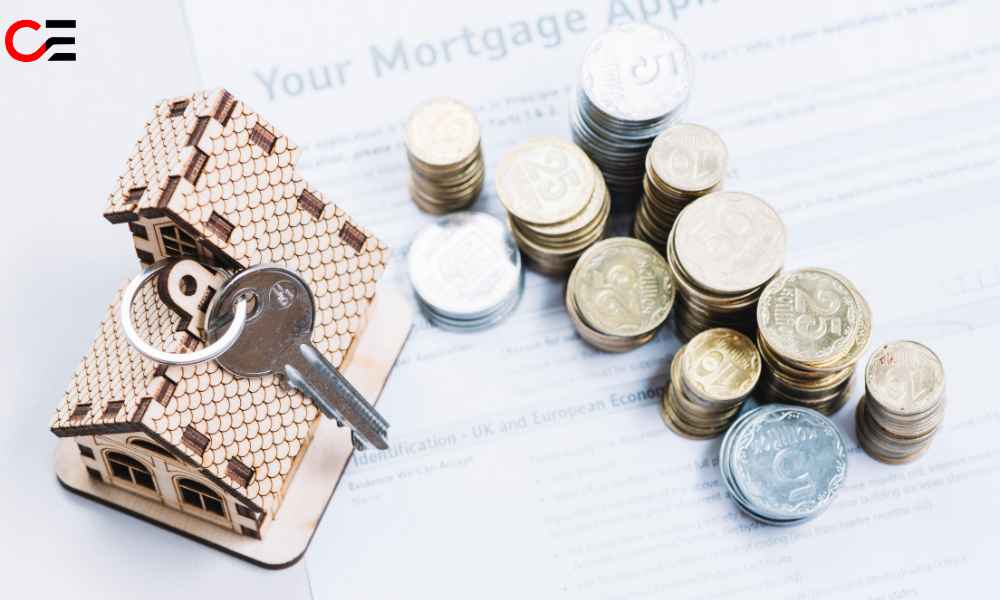
The US Mortgage Rates Surge: What It Means for Homeowners is a crucial question that keeps coming up in the real estate market as borrowing costs continue to rise. Many Americans are questioning why mortgage rates increased following COVID, how interest rate increases affect home prices, and what the most recent jump means for both residential and commercial real estate after years of erratic trends. Recent research demonstrates a strong relationship between interest rates and home values, which is influencing purchasing choices, refinancing tactics, and overall market confidence. Knowing the direction of the market is more important than ever, with queries like “will house prices drop with rising interest rates?” circulating widely.
What’s Causing the Increase in Mortgage Rates?
The Federal Reserve’s continuous attempts to control inflation are reflected in the recent increase in mortgage rates. These actions, according to economists, indicate a more cautious lending climate, which may cause purchasers and homeowners to reevaluate long-term financial commitments.
Although record low rates drove a market boom during the epidemic, many people continue to question why mortgage rates increased during COVID despite economic recovery. The answer lies in inflation spikes, global uncertainty, and tighter monetary policies meant to cool overheated demand.
Similar trends from the US mortgage rate jump in 2022, when house affordability was severely squeezed, are echoed by the steep rate increases as lenders reprice risk.
Increased monthly payments and fewer refinancing options are the effects on homeowners.
The consequences are immediate for existing homeowners
Increasing mortgage rates imply:
Increased monthly payments for borrowers with adjustable rates
fewer options for refinancing, eliminating the savings that many people had gained over the years of low interest rates
Increasing worries regarding long-term cost
Mortgage interest rates vs home prices are one example of a graphic that illustrates how rising borrowing costs are straining household budgets.
As lenders tighten their approval requirements, many homeowners are also faced with fewer options. Higher rates may dampen buyer enthusiasm for individuals who are thinking about selling, lessening the fierce bidding battles that have occurred in the past.
Outlook for the Housing Market: Will Prices Decrease?
What will happen to the housing market if interest rates rise is still the most important question.
Increased borrowing costs usually result in slower demand, which stabilizes or even lowers prices. However, the market now is more intricate.
Home prices remain high due to ongoing inventory constraints, growing building costs, and robust buyer demand.
So, as interest rates rise, will home prices decline?
A full-scale price decline is unlikely unless inventory levels sharply rise, but experts advise modest reductions in overheated areas.
Furthermore, the relationship between interest rates and home values indicates that prices may change gradually rather than sharply decline.
Pressure on Commercial Real Estate
Homeowners are not the only ones seeing this change. Companies are also investigating the impact of interest rates on commercial real estate.
Already adjusting to changes in the workplace following the epidemic, the commercial sector now has to deal with:
- More costly financing for buying real estate
- Refinancing older debt presents challenges.
- Reduced investment activity
Growing rates may change development plans, particularly for retail and commercial buildings that are already recovering more slowly.
What New Homebuyers Need to Know
Rising rates do not eliminate chances for new buyers, but they do necessitate greater preparation. Experts advise:
- Locking in rates as soon as a good opportunity arises
- Taking into account long-term financial stability rather than transient swings
- Keeping a tight eye on market conditions, particularly changes in local inventory
Additionally, buyers should monitor economic indicators and consult trustworthy sources rather than misconceptions or social media rumors, such as the viral US mortgage rate spike and its implications for homeowners.
The Road Ahead for Homeowners and Buyers
Both present and prospective homeowners must make crucial financial choices as mortgage rates climb. Americans can manage uncertainty by being aware of market dynamics, particularly the relationship between housing, interest rates, and inflation. As the real estate market continues to change, remaining educated guarantees that homeowners are ready for any future changes.