
The Blueprint for Industry Transformation
Industry is undergoing one of the most significant transformations in modern history. Rapid advances in artificial intelligence, automation, smart manufacturing, data analytics, sustainable engineering, and digital connectivity are redefining how organizations operate, compete, and create value. At the same time, shifting customer expectations, global supply chain complexities, environmental priorities, and evolving market dynamics are compelling businesses to rethink traditional operating models. In this new industrial era, long-term success depends on an organization’s ability to innovate continuously, collaborate effectively, and embrace technology as a catalyst for sustainable growth. This vision is embodied in Combining Innovation, Collaboration, and Technology to Shape the Future, where transformation is driven by intelligent leadership and a commitment to continuous progress.
Today’s leading enterprises recognize that technology alone cannot create lasting competitive advantage. True transformation occurs when innovation is supported by collaborative cultures, skilled workforces, and strategic leadership capable of turning emerging opportunities into measurable business outcomes. Organizations that successfully integrate these elements are building resilient, future-ready enterprises prepared to thrive in an increasingly interconnected global economy.
Combining Innovation, Collaboration, and Technology to Shape the Future Through Strategic Leadership
Industrial transformation begins with leaders who understand that sustainable growth requires both visionary thinking and disciplined execution. They establish strategies that align technological advancement with organizational objectives while encouraging innovation across every business function.
This is why Combining Innovation, Collaboration, and Technology to Shape the Future has become a defining principle of modern industrial leadership. Visionary executives create environments where cross-functional teams work together to solve complex challenges, improve operational performance, and deliver long-term value.
Leadership provides the direction that transforms innovation into sustainable business success.
Innovation Drives Competitive Advantage
Innovation has become the engine of industrial progress. Organizations that continuously improve products, services, manufacturing processes, and business models remain better positioned to respond to changing customer demands and market conditions.
Modern innovation extends beyond research and development. It includes intelligent automation, advanced materials, digital engineering, predictive maintenance, sustainable production methods, and customer-focused solutions. Businesses that embrace continuous innovation consistently strengthen their competitive position while creating new opportunities for growth.
Innovation enables organizations to shape industries rather than simply participate in them.
Collaboration Accelerates Meaningful Progress
No organization transforms alone. Strong partnerships between businesses, technology providers, academic institutions, governments, suppliers, and customers create ecosystems that accelerate innovation and strengthen industrial resilience.
Collaborative environments encourage knowledge sharing, faster problem-solving, and more effective decision-making. By bringing together diverse expertise and perspectives, organizations develop solutions that improve efficiency, sustainability, and long-term business performance.
Collaboration multiplies the impact of innovation.
Technology Creates Intelligent Enterprises
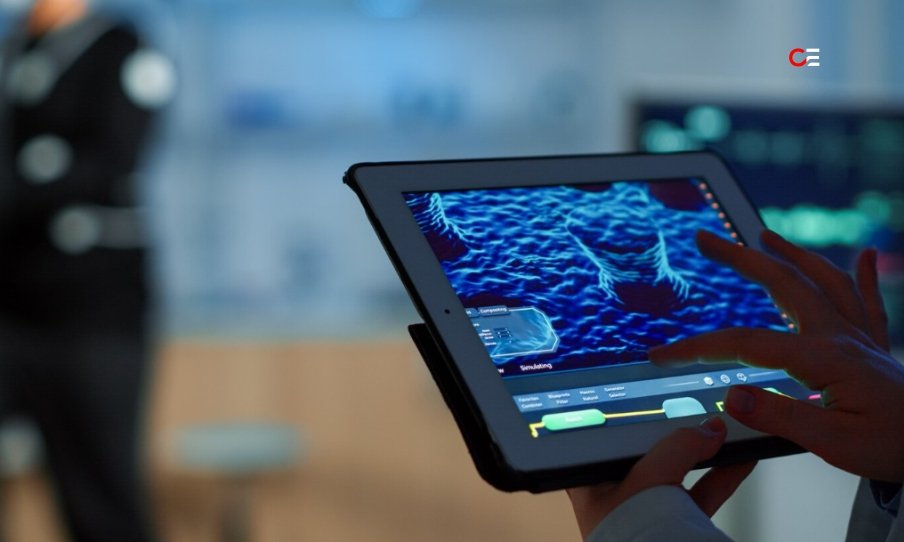
Advanced technologies are redefining industrial operations across every sector. Artificial intelligence, the Industrial Internet of Things (IIoT), cloud computing, robotics, digital twins, machine learning, and advanced analytics enable organizations to optimize production, improve quality, and make faster, data-driven decisions.
Technology also strengthens supply chain visibility, enhances predictive capabilities, and enables greater operational agility. Organizations that invest strategically in digital capabilities position themselves to adapt confidently to evolving market demands while delivering greater value to customers.
Intelligent technologies are shaping the factories and enterprises of the future.
Sustainability Strengthens Long-Term Resilience
Modern industrial transformation is inseparable from sustainability. Businesses are integrating energy-efficient technologies, circular economy principles, responsible resource management, and environmentally conscious manufacturing practices into their long-term strategies.
Sustainable operations improve efficiency, reduce waste, strengthen stakeholder trust, and support regulatory compliance while creating long-term economic value. Responsible industrial leadership ensures that growth benefits both business and society.
Sustainability has become a strategic driver of industrial excellence.
People Power Industrial Transformation
Technology achieves its greatest impact when supported by skilled, adaptable, and engaged people. Organizations are investing in workforce development, digital literacy, technical education, leadership training, and continuous learning to prepare employees for increasingly sophisticated industrial environments.
By empowering teams to embrace innovation and collaborate effectively, businesses create cultures capable of sustaining transformation over the long term. Human expertise remains essential to unlocking the full value of advanced technologies.
People remain the foundation of every successful transformation journey.
Conclusion: Building the Industries of Tomorrow
The future of industry belongs to organizations that combine visionary leadership, continuous innovation, collaborative partnerships, and intelligent technologies to create sustainable competitive advantage. Those that embrace transformation as an ongoing journey will remain resilient, adaptable, and prepared for the opportunities of a rapidly evolving global marketplace.
Through Combining Innovation, Collaboration, and Technology to Shape the Future, today’s industrial leaders are redefining operational excellence and shaping the next generation of enterprise. Their commitment to innovation, responsible growth, and collaborative progress is building stronger industries, more resilient economies, and a future where technology and human ingenuity work together to create lasting value.