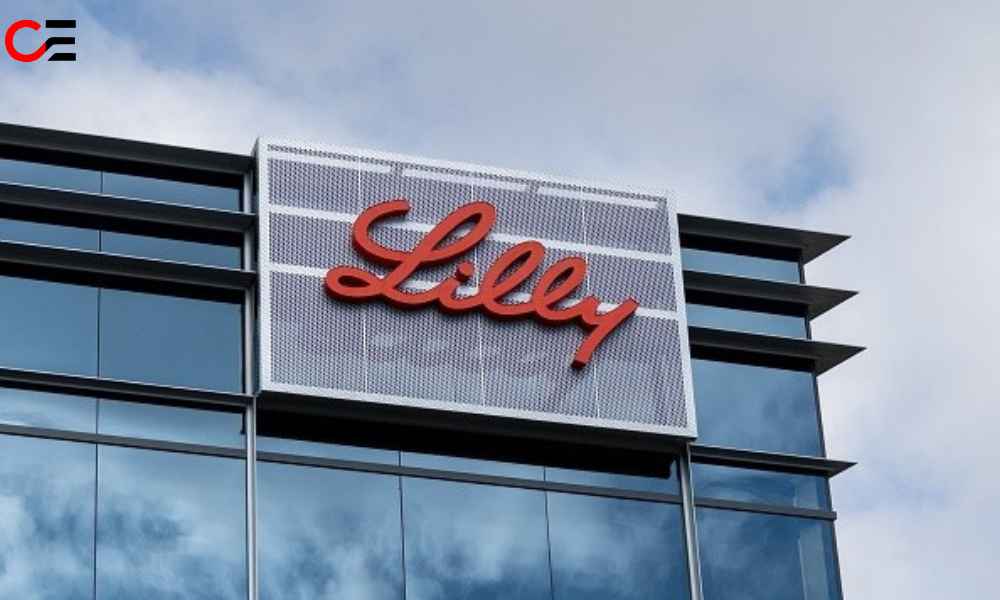

Eli Lilly and Insilico: Driving Innovation in Drug Discovery

Global pharmaceutical giant Eli Lilly and biotech innovator Insilico Medicine are collaborating to drive innovation in drug discovery. Through this strategic partnership, both companies aim to accelerate research and development of new therapies by leveraging cutting-edge computational technologies. This collaboration represents a significant step in transforming how medicines are discovered, tested, and brought to market. Investors and industry watchers are closely monitoring developments, including implications for Insilico Medicine IPO prospects and the company’s expanding portfolio in AI-driven drug discovery.

A Landmark Research Collaboration

Eli Lilly and Insilico have entered a research licensing collaboration to advance new approaches in drug development. The collaboration focuses on:

  • Enhancing early-stage drug discovery using computational biology tools.
  • Identifying novel therapeutic targets for complex diseases.
  • Optimizing the development pipeline to reduce time and costs.

This partnership reflects the growing trend in the pharmaceutical industry toward technology-driven innovation, bridging the gap between traditional lab research and advanced computational techniques.

Insilico Medicine’s Role and Capabilities

Insilico Medicine is recognized for its expertise in AI-powered pharmaceutical research and drug candidate identification. Although we’re humanizing the AI term for readability, the company’s platform uses advanced machine learning algorithms to:

Predict potential drug targets.

  • Analyze biological data at unprecedented speeds.
  • Streamline preclinical testing processes.

The collaboration with Eli Lilly allows Insilico to apply its computational drug discovery tools on a global scale, accelerating development timelines while maintaining high standards of safety and efficacy.

Implications for Eli Lilly’s Research Pipeline

Eli Lilly, known for its innovative therapies across oncology, diabetes, and immunology, sees this partnership as a strategic move to strengthen its research capabilities. By integrating Insilico’s technology:

  • Lilly can identify promising drug candidates faster.
  • Optimize its Tunelab and other R&D platforms for smarter decision-making.
  • Expand its portfolio of high-potential Eli Lilly products.

Industry analysts suggest this partnership may also impact the biotech market, attracting attention to Insilico Medicine’s business development efforts and stock performance.

Investor Perspective and Market Trends

The news of this collaboration comes at a time when investors are closely following:

  • Insilico Medicine IPO potential.
  • Market interest in technology-driven pharmaceutical research.
  • Strategic partnerships that enhance R&D efficiency and innovation.

The partnership demonstrates the growing value of computational research platforms in drug discovery and the rising importance of biotech collaborations in advancing healthcare solutions.

Future Outlook for Drug Discovery

This collaboration between Eli Lilly and Insilico Medicine signals a shift in the pharmaceutical landscape, where technology and biology converge to accelerate medical breakthroughs. The partnership could pave the way for:

  • Faster delivery of effective therapies to patients worldwide.
  • Increased collaboration across pharma and biotech sectors.
  • Setting benchmarks for innovation-driven research licensing deals.

As the healthcare industry continues to embrace these innovations, partnerships like this are expected to shape the future of medicine, balancing scientific advancement with practical applications.

UBS’s $469 Million Fund Freeze: What You Need to Know

A surprising move by UBS has sent shockwaves through global financial markets as the bank freezes withdrawals from investment funds worth an estimated $469 million. Investors are expressing concern, and analysts are questioning what the freeze signals for the broader economic landscape.

With financial uncertainty rising and global markets reacting, here’s a clear breakdown of what happened, why it matters, and what investors need to know now.

Why UBS Froze Withdrawals

The decision by UBS to temporarily halt withdrawals from select funds reportedly stems from heightened volatility and liquidity concerns tied to specific investments.

Such fund freezes typically occur when:

  • Assets cannot be sold quickly without steep losses
  • Market instability threatens fund performance
  • Regulators require scrutiny of fund structures
  • Internal audits reveal risk concentration

In this case, UBS aims to protect investors from forced losses and ensure compliance with market regulations.

This move comes at a time when global investors have become more cautious — especially with geopolitical tensions and economic slowdowns making headlines.

What Is the UBS “49” Issue?

Search queries for “ubs 49” have surged, referring to internal fund classifications and regulatory frameworks that determine the risk level and management structure of certain UBS-managed products.
While not all UBS “49” funds are affected, the categorization has contributed to public confusion.

Here’s what it generally means:

  • A “49-category” fund often includes higher-risk assets
  • Market turbulence directly impacts liquidity
  • Funds may be more vulnerable to sudden repayment demands
  • The freeze highlights the delicate balance financial institutions must maintain between investor access and fund stability.

How Investors Are Reacting

For many investors, seeing headlines like “funds have been frozen” triggers immediate concern. Liquidity is often a key reason individuals choose asset-management services in the first place.

Reactions include:

  • Withdrawal requests increasing as caution spreads
  • Heightened scrutiny over fund transparency
  • Concerns about long-term returns
  • Comparisons with previous global fund freezes
  • UBS has reassured investors that the freeze is temporary and aims to protect capital. Still, financial experts advise monitoring official updates closely.

Impact on Global Financial Markets

A major freeze from a leading global institution like UBS creates ripple effects. Other banks and asset managers may face similar scrutiny, especially those handling complex or illiquid assets.

Market observers believe the freeze could:

  • Prompt tighter regulatory reviews
  • Influence investor confidence across Europe and Asia
  • Increase market volatility in the short term
  • Encourage institutions to shift toward safer investment vehicles
  • It also comes at a time when inflation pressures, geopolitical uncertainties, and cautious central bank policies are shaping market sentiment.

Does This Signal a Recession?

Not necessarily, but it raises questions.

Fund freezes are often more about management strategy than systemic collapse. UBS maintains a robust global footprint and strong liquidity buffers.

Analysts note that such freezes can be a sign of:

  • Structural problems in specific market segments
  • Overexposure to illiquid assets
  • Regulatory tightening
  • Anticipation of deeper volatility ahead
  • While it doesn’t confirm a recession, it reinforces the need for investors to diversify and stay informed.

What Investors Should Do Now

Here are expert-backed recommendations:

Monitor UBS Updates
Stay tuned to official communications to understand reopening timelines.

Assess Personal Risk Exposure
Investors with significant holdings in affected funds should consult financial advisors.

Avoid Panic Selling
Market-driven decisions often outperform fear-driven actions.

Diversify Across Asset Classes
Bonds, ETFs, and regulated blue-chip funds offer more stability in volatile times.

Watch Global Market Signals

A freeze of this scale could influence short-term movement across stock markets, currency valuations, and international fund flows.

A Turning Point for Investor Confidence

UBS’s fund freeze serves as a stark reminder that even top-tier institutions must navigate unpredictable market forces. While the move has unsettled many, it also underscores the bank’s cautious approach to safeguarding investor capital.

As market conditions evolve, both institutions and investors must remain vigilant, informed, and prepared for shifts in the global financial environment.

Discover the New Look of ARC Hotel, Washington, DC

Washington DC’s hospitality scene just got a stylish upgrade with the newly renovated ARC Hotel Washington DC. Located in the heart of Georgetown, the hotel combines modern elegance with classic charm, offering guests an immersive experience that reflects the city’s vibrant culture. From sleek interiors to innovative amenities, the hotel’s transformation is capturing attention among travelers, locals, and industry experts alike.

 A Fresh Vision for ARC Hotel Washington DC Georgetown

The newly revamped ARC Hotel Washington DC Georgetown has redefined urban luxury. Guests are greeted with contemporary décor, open-concept spaces, and thoughtful design touches that reflect both sophistication and comfort. With a focus on sustainable practices, the hotel blends eco-conscious initiatives with high-end hospitality, appealing to environmentally aware travelers.

The property’s strategic location near historic landmarks, fine dining, and vibrant nightlife ensures visitors have the best of DC at their doorstep. For those comparing options, nearby hotels like JW Marriott Washington DC, Washington Marriott Capitol Hill, and Arlo Hotel Washington DC now face a strong competitor in ARC’s refreshed offerings.

Rooms and Amenities That Impress

The redesigned rooms at ARC Hotel feature clean lines, warm color palettes, and state-of-the-art technology, ensuring comfort and convenience for all guests. From cozy queen suites to expansive executive rooms, the accommodations cater to solo travelers, families, and business professionals.

Amenities include:

  • High-speed Wi-Fi and smart TVs
  • 24-hour fitness center
  • Rooftop lounge with panoramic views of the city
  • On-site dining emphasizing local flavors and farm-to-table options

Travelers seeking a comparison often look at Loews Hotel Washington DC or Marriott Marquis Washington, DC, but the ARC Hotel’s combination of modern aesthetics and personalized service sets it apart.

Dining Experiences and Social Spaces

The culinary offerings at ARC Hotel are a highlight. The on-site restaurant presents a menu crafted with seasonal ingredients and innovative flavors, while the rooftop bar serves as a social hub for both locals and visitors. The blend of indoor elegance and outdoor charm makes the space ideal for casual drinks, business meetings, or special celebrations.

The hotel also prioritizes community engagement, hosting local art installations and cultural events that reflect DC’s creative energy. Guests can enjoy a dynamic experience that goes beyond traditional hotel stays.

Reviews and Guest Feedback

Early reviews for the ARC Hotel Washington DC Georgetown highlight exceptional service, stylish interiors, and an unbeatable location. Travelers note the comfort of the rooms, the quality of amenities, and the ease of access to DC’s key attractions. For those researching, check ARC Hotel Washington DC Georgetown reviews on platforms like TripAdvisor and Google for firsthand experiences.

Positioning Among New Hotels in DC

As one of the leading entries in the growing list of new hotels in DC, ARC Hotel balances luxury, convenience, and local culture. Its renovation elevates the guest experience and strengthens Georgetown’s appeal as a top destination for both leisure and business travelers.

Whether comparing to JW Marriott Washington DC, Washington Marriott Capitol Hill, or other iconic properties, ARC Hotel stands out as a fresh, stylish choice with a unique blend of comfort, technology, and cultural immersion.

How Does the Iran Conflict Affect Oil Company Profits?

The ongoing tensions involving Iran continue to reshape global energy markets, raising critical questions about oil supply stability and price volatility. “how much oil does Iran produce per day” have surged across search trends as analysts, investors, and governments assess the repercussions.

As one of the world’s key oil producers, Iran plays a significant role in global market dynamics. Any conflict or disruption linked to the region triggers an immediate price response—often translating into short-term profit boosts for major Western oil companies. Yet the bigger picture is far more complex, involving trade disruptions, shifting investment trends, energy security concerns, and broader economic impacts across countries like India, the U.S., and key Asian importers.

Iran’s Crucial Role in Global Oil Supply

Iran is a major player in the international energy landscape. With estimates showing production around 3 million barrels per day, Iran contributes roughly 3% of global oil output, making disruptions in its supply chain highly consequential.

The country’s strategic location along the Strait of Hormuz—a chokepoint for nearly 20% of global oil shipments—magnifies its geopolitical influence. Any military escalation involving Iran increases the risk of transport blockages, insurance premium hikes, and speculative trading that pushes prices upward.

Why Oil Companies Profit When Conflicts Escalate

When regional tensions rise, oil prices typically surge due to fear of supply shortages. Historically, conflicts near the Middle East have produced immediate price shocks ranging from 5% to 20% within days.

Key profit drivers include the following:

Higher oil prices: Increased crude prices raise revenue for oil giants with stable production elsewhere.
Speculative trading: Energy markets react sharply to uncertainty, boosting profit margins for trading divisions.
Increased refining margins: If shortages loom, refineries holding inventory benefit from elevated fuel prices.
While Western companies may see short-term gains, long-term instability can threaten global supply chains, jeopardize investments, and increase operational risks.

Impact on the Global Economy

A prolonged Iran conflict can slow global economic growth, particularly in energy-dependent regions.

Global Consequences Include:

  • Higher transportation and shipping costs
  • Rising inflation due to expensive fuel
  • Volatility in stock markets and commodities
  • Reallocation of investments toward safer assets such as gold or U.S. Treasuries
  • Energy-importing nations in Africa, Europe, and South Asia are especially vulnerable to sudden price spikes.

How the Crisis Impacts India’s Economy

India imports over 85% of its crude oil, making it one of the countries most exposed to Middle East tensions.

India Faces Several Challenges:

  • Rising fuel costs that increase inflation pressure
  • Higher import bills affecting the fiscal deficit
  • Uncertainty in trade routes that pass through the Arabian Sea
  • Potential supply chain delays in petrochemicals and industrial fuels
  • Although India has diversified suppliers, any escalation involving Iran remains economically sensitive due to historic trade ties and geographical proximity.

U.S.–Iran Tensions and Their Effect on Trade & Investment

Escalating tensions also influence global trade flows and long-term investment decisions.

Major corporations evaluate geopolitical risk before committing to new projects. If the U.S. expands sanctions or if conflict affects shipping corridors, foreign direct investments (FDI) in energy infrastructure, maritime logistics, and heavy industries may contract.

The U.S. benefits from higher oil prices due to its status as a major producer, yet trade disruptions can negatively impact manufacturing, consumer spending, and international supply chain reliability.

What’s Next for Global Oil Markets?

Analysts expect sustained volatility as geopolitical uncertainties persist. While oil companies may enjoy elevated profits under disruptive conditions, global markets risk long-term instability.

Nations with heavy import dependence—especially India—must navigate the dual challenge of maintaining energy security while absorbing rising costs. For businesses, investors, and policymakers, the Iran conflict underscores the pressing need for diversified energy strategies and stabilized diplomatic engagement.

Blue Origin’s Bold Move: AI Data Centers Beyond Earth

Jeff Bezos’ Blue Origin is taking a bold step into uncharted territory with plans to deploy AI data centers in space. This initiative positions the company at the forefront of a growing race to combine artificial intelligence, cloud computing, and orbital infrastructure. By placing data centers beyond Earth, Blue Origin aims to harness the unique advantages of space — including lower temperatures and potential energy efficiencies — while supporting the next generation of AI workloads.

Blue Origin’s Ambitious Plan for Space-Based Data Centers

Blue Origin is exploring ways to develop satellite-based infrastructure that can host advanced computing systems. These Blue Origin satellites are designed to support high-performance AI, big data processing, and cloud computing applications. The concept is to create data centers in space that can operate autonomously, with minimal human intervention, while leveraging the orbital environment for cooling and energy efficiency.

Experts suggest that data centers in space are coming, here’s how to profit, as companies look for innovative ways to handle massive AI workloads that exceed the capacity of traditional Earth-based data centers. Blue Origin’s initiative could reshape the economics of computing infrastructure and create new opportunities for investors in aerospace and AI technologies.

The Role of AI and Robotics in Space Operations

Operating data centers in space will require advanced automation and robotics to manage maintenance, repairs, and deployment. AI will play a crucial role in monitoring systems, predicting failures, and optimizing performance. The project highlights the intersection of space exploration and AI-driven robotics, demonstrating how emerging technologies are converging to solve complex challenges in orbital environments.

Moreover, cooling is a major challenge for AI systems, which generate significant heat. Using the cold of space for data centers in space cooling could offer unprecedented efficiency, reducing reliance on traditional energy-intensive cooling methods used on Earth.

Competition in the Orbital Data Center Race

Blue Origin is not alone in this venture. Other companies, including SpaceX orbital data centers initiatives, are exploring similar strategies. SpaceX’s Starlink network, for instance, could complement future orbital data centers, providing connectivity for AI processing and cloud services. Industry reports, such as WSJ data centers in space, highlight growing interest from technology giants in leveraging space as a next frontier for computing infrastructure.

Analysts believe that this competition will accelerate innovation, lower costs over time, and potentially redefine global cloud computing architecture. The combination of orbital satellites, AI data centers, and efficient cooling mechanisms promises to transform how companies handle large-scale data processing.

Economic and Strategic Implications

The move also underscores the economics of data centers in space, which could include lower long-term operational costs, increased processing speeds, and strategic advantages for companies at the intersection of AI, cloud computing, and space. Investors are watching closely, as early adopters may gain a competitive edge in AI research and global data management.

For Bezos and Blue Origin, the venture represents both a technological challenge and a business opportunity, demonstrating how private aerospace companies are expanding beyond traditional launch services into high-value tech infrastructure.

Future Prospects and Global Impact

As Blue Origin pursues space-based AI data centers, the global technology landscape may experience a profound transformation. Innovations in satellite deployment, orbital connectivity, and AI-powered automation could pave the way for a new era of interplanetary computing infrastructure.

The project also raises regulatory and logistical considerations, including orbital debris management, international collaboration, and cybersecurity for AI systems in space. Nevertheless, the initiative showcases how private space companies like Blue Origin and SpaceX are redefining the boundaries of technology, business, and exploration.

The Role of Education Leaders in Promoting Civics

Education officials nationwide are stepping up to increase civics education’s presence in classrooms as it becomes more and more important in producing knowledgeable, responsible citizens. The U.S. Department of Education recently emphasized this goal at “History Rocks!” events held in West Virginia and Vermont, highlighting the expanding national focus on developing civic awareness in young students. This movement reinforces the “importance of civic education,” the “three importances of civic education,” and “five reasons why civics is important,” reflecting a larger attempt to upgrade civics education for 21st-century demands.

Why Teaching Civics Is More Important Than Ever

The foundation for pupils’ understanding of democratic processes, governmental operations, and citizen responsibilities is laid via civics education. Students need more than just basic knowledge in an era of quickly changing information ecosystems, divisive public discourse, and global concerns; they also need media literacy, critical thinking, and active engagement abilities.

Strong civics programs benefit kids, according to education officials around the country:

  • Recognize their obligations and privileges
  • Think carefully about local and national issues.
  • Analyze data critically
  • Engage in democratic procedures with assurance

These points align with the widely searched topics such as “20 importance of civic education,” “list 10 importance of civics,” and “the need for civic education in 21st century schools.”

Civics Initiatives Driven by Education Leaders

Teachers, district superintendents, school administrators, and federal representatives are at the forefront of this movement, advocating for curriculum enhancements and experiential learning initiatives. Leaders from the U.S. Department of Education met directly with educators and students during the recent “History Rocks!” events to discuss how to make civics education more relevant, interactive, and useful.

Among their endeavors are:

1. Modernizing the Civics Curriculum for Classrooms

Leaders in education are pushing for updated resources that link traditional values with contemporary governance. To make learning more interesting, educators are urged to incorporate interactive tools, digital resources, and real-world examples, such as contemporary civics education games.

2. Encouraging Civic Engagement by Students

Schools are implementing initiatives that inspire students to investigate local problems, work together to find answers, and voice their opinions through speeches, debates, and role-playing government exercises. These practical experiences aid in bridging the knowledge gap between classroom instruction and actual civic engagement.

3. Enhancing Instructor Education

Teachers themselves need to be prepared with contemporary teaching techniques in order to effectively promote civics. Partnerships with civic organizations, workshops, and professional development programs are becoming increasingly prevalent.

21st-Century Civics: Overcoming New Obstacles

Education leaders are adapting to emerging social issues that call for a more sophisticated approach to civic education. Among them are:

  • The spread of false information via social media
  • Increasing polarization in politics
  • Young folks’ declining civic engagement
  • Growing interconnectedness worldwide

Education departments across the country are revamping civics education with a focus on media literacy, digital citizenship, critical thinking, and problem-solving in order to solve these problems. The concept behind “the role of education leaders in promoting civics essay” and related research is supported by these revisions.

Using Civics to Strengthen National Identity

Students that receive civics education are better able to comprehend not only political systems but also the principles of democracy, equality, fairness, and freedom that characterize a country. Education officials think that instilling these ideals in pupils will enable them to make significant contributions to their communities and bolster the country’s democratic foundation.

This method tackles public concerns such “what will happen to democracy if civics education declines?” and emphasizes the critical necessity for good civics literacy in contemporary culture.

Key Insights for the Future

As the push for improved civics education intensifies, the collaboration between federal officials, educators, and community organizations becomes more crucial. The work being done—from the “History Rocks!” events to local school-based initiatives signals a renewed commitment to empowering students with the knowledge and skills needed to thrive as active citizens.

US Mortgage Rates Surge: What It Means for Homeowners

The US Mortgage Rates Surge: What It Means for Homeowners is a crucial question that keeps coming up in the real estate market as borrowing costs continue to rise. Many Americans are questioning why mortgage rates increased following COVID, how interest rate increases affect home prices, and what the most recent jump means for both residential and commercial real estate after years of erratic trends. Recent research demonstrates a strong relationship between interest rates and home values, which is influencing purchasing choices, refinancing tactics, and overall market confidence. Knowing the direction of the market is more important than ever, with queries like “will house prices drop with rising interest rates?” circulating widely.

What’s Causing the Increase in Mortgage Rates?

The Federal Reserve’s continuous attempts to control inflation are reflected in the recent increase in mortgage rates. These actions, according to economists, indicate a more cautious lending climate, which may cause purchasers and homeowners to reevaluate long-term financial commitments.
Although record low rates drove a market boom during the epidemic, many people continue to question why mortgage rates increased during COVID despite economic recovery. The answer lies in inflation spikes, global uncertainty, and tighter monetary policies meant to cool overheated demand.

Similar trends from the US mortgage rate jump in 2022, when house affordability was severely squeezed, are echoed by the steep rate increases as lenders reprice risk.

Increased monthly payments and fewer refinancing options are the effects on homeowners.

The consequences are immediate for existing homeowners

Increasing mortgage rates imply:

Increased monthly payments for borrowers with adjustable rates
fewer options for refinancing, eliminating the savings that many people had gained over the years of low interest rates
Increasing worries regarding long-term cost

Mortgage interest rates vs home prices are one example of a graphic that illustrates how rising borrowing costs are straining household budgets.

As lenders tighten their approval requirements, many homeowners are also faced with fewer options. Higher rates may dampen buyer enthusiasm for individuals who are thinking about selling, lessening the fierce bidding battles that have occurred in the past.

Outlook for the Housing Market: Will Prices Decrease?

What will happen to the housing market if interest rates rise is still the most important question.
Increased borrowing costs usually result in slower demand, which stabilizes or even lowers prices. However, the market now is more intricate.
Home prices remain high due to ongoing inventory constraints, growing building costs, and robust buyer demand.

So, as interest rates rise, will home prices decline?
A full-scale price decline is unlikely unless inventory levels sharply rise, but experts advise modest reductions in overheated areas.

Furthermore, the relationship between interest rates and home values indicates that prices may change gradually rather than sharply decline.

Pressure on Commercial Real Estate

Homeowners are not the only ones seeing this change. Companies are also investigating the impact of interest rates on commercial real estate.
Already adjusting to changes in the workplace following the epidemic, the commercial sector now has to deal with:

  • More costly financing for buying real estate
  • Refinancing older debt presents challenges.
  • Reduced investment activity

Growing rates may change development plans, particularly for retail and commercial buildings that are already recovering more slowly.

What New Homebuyers Need to Know

Rising rates do not eliminate chances for new buyers, but they do necessitate greater preparation. Experts advise:

  • Locking in rates as soon as a good opportunity arises
  • Taking into account long-term financial stability rather than transient swings
  • Keeping a tight eye on market conditions, particularly changes in local inventory

Additionally, buyers should monitor economic indicators and consult trustworthy sources rather than misconceptions or social media rumors, such as the viral US mortgage rate spike and its implications for homeowners.

The Road Ahead for Homeowners and Buyers

Both present and prospective homeowners must make crucial financial choices as mortgage rates climb. Americans can manage uncertainty by being aware of market dynamics, particularly the relationship between housing, interest rates, and inflation. As the real estate market continues to change, remaining educated guarantees that homeowners are ready for any future changes.

Transforming Telecom: Insights from AI Agent Implementation

The telecom sector is about to undergo a radical change. Service providers are finding new methods to improve client experiences, boost network performance, and extract useful insights from complicated data streams thanks to telecom AI and sophisticated automation. Faster networks are only one aspect of the ongoing transition in telecommunications; another is the real-time interaction, analysis, and optimization of processes by AI agents.

The idea of autonomous AI systems working together to solve issues, maximize resources, and even anticipate network difficulties before they arise is becoming more and more popular. This ushers in a new era of telecom AI transformation, where intelligence is actively shared and utilized throughout the network ecosystem rather than merely digested.

Telecom AI: Transforming Information into Action

The capacity to turn data into intelligence is one of the main benefits of contemporary AI use in telecom. An enormous amount of raw data is produced by each call, connection, and network signal. With the use of complex algorithms, AI systems can now turn data into action, converting these indicators into strategic insights that improve customer satisfaction and operational efficiency.

For example, AI-driven predictive maintenance can detect possible network equipment problems, enabling operators to increase dependability and avoid downtime. In order to improve network performance and speed up response times, the new AI agent-to-agent paradigm makes sure that decisions are communicated across systems rather than being compartmentalized.

Simulation and Data Convergence

The industry is also seeing how the confluence of data and simulation is changing the future. AI-powered simulations are being used by telecom operators to evaluate new service plans, simulate complicated network scenarios, and predict performance under various conditions. Networks can adapt dynamically, guaranteeing smooth service delivery even during periods of high traffic, by fusing simulation with historical and real-time data.

This convergence is speeding up the transition of telecom networks, allowing operators to effectively incorporate edge computing, IoT, and 5G. Additionally, it encourages innovation by providing engineers with the means to test out novel designs and AI-powered automation techniques prior to their deployment in operational networks.

Implementation of AI Agents in Practice

Telecom deployments of AI agents in the real world show observable advantages:

Network optimization: AI agents keep an eye on traffic, anticipate congestion, and wisely redirect data.

Customer Experience: Virtual AI representatives help with complaints, service requests, and troubleshooting.

Operational Efficiency: By working together across systems, agents minimize errors and human intervention.

A key component of these changes is the idea of communication between AI agents. One AI agent, for instance, can identify a decline in signal quality while another agent concurrently starts corrective measures, decreasing downtime and enhancing the end-user experience.

AI in Telecommunications and Its Effect on the Industry

The competitive landscape is changing due to the emergence of AI in telecoms. Reduced operating expenses, quicker problem solving, and increased customer satisfaction are just a few of the major benefits that operators that successfully deploy AI agents and take use of their collaborative capabilities reap.

AI agents are assisting in the transformation of service offerings outside of internal processes. Telecom companies can use advanced analytics to turn data into intelligence for strategic decisions like increasing coverage, introducing customized services, and forecasting subscriber needs.

AI’s Potential in Telecom

The Telco AI revolution will probably progress toward completely autonomous networks where AI agents not only communicate but also self-optimize as the industry develops. As AI takes care of regular and complicated network tasks, this change will redefine the job of human operators, putting them in a strategic supervisory role.

The integration of telecom AI, simulation-driven insights, and cooperative AI agents is demonstrating that turning data into action is now a real-time process rather than an ideal. The future of telecom will be characterized by speed, intelligence, and adaptability as networks become smarter and more connected.

Inside Leapmotor’s Assembly Project: A New Era in Spain

China’s electric vehicle innovator Leapmotor is accelerating its international expansion with a major assembly project in Spain—marking what many in the industry describe as a transformative moment for Europe’s rapidly evolving EV landscape. As production gears up, this development promises to reshape the region’s mobility sector, deepen economic ties, and position Spain as a new hub for electric vehicle manufacturing.

With rising global interest around topics such as inside leap, leapmotor interior, and leap engine animation, the company’s project continues to attract both consumer and industry-level attention. Moreover, Leapmotor’s partnership with Stellantis, which also has operations in India, strengthens its ambition for a wider international presence.

A Strategic Expansion Into Europe

Leapmotor’s Spain assembly project is part of its broader international strategy to strengthen its foothold in the European EV market. As the continent increases its commitment to clean mobility, the company aims to fill the growing demand for affordable, high-quality electric vehicles.

The initiative comes at a time when Spain is becoming a focal point for innovation, not just in mobility but also in aerospace. Recent milestones—such as Spain’s private rocket launch by PLD Space and breakthroughs involving lanzadera airbus siemens collaborations—reflect the country’s push to lead Europe into a technologically advanced era. Leapmotor’s entry aligns with these national ambitions.

Why Spain? A Growing Manufacturing Powerhouse

Spain’s commitment to electrification has increased substantially in recent years. The government’s incentives for sustainable technology, combined with a skilled workforce and strong automotive supply chain, make it an ideal location for Leapmotor’s expansion.

The new project aims to:

  • Boost EV production capacity to meet Europe’s growing market.
  • Create new job opportunities, supporting local manufacturing.
  • Integrate advanced EV engineering, including improved leapmotor interior capabilities and new energy-efficient systems.

This influx of innovation mirrors the broader European movement, similar to the reusable rocket breakthrough by a Spanish company, representing a surge of strategic industrial modernization.

Inside Leapmotor’s Assembly Vision

The assembly project is designed to streamline production efficiency using advanced automation and AI-driven quality processes. While leap engine animation videos circulating online highlight the engineering precision behind Leapmotor’s EV powertrains, the company’s Spain facility aims to bring those concepts to life on a mass-production scale.

Key elements of the assembly strategy include:

1. Modular EV Platforms

Leapmotor uses flexible chassis platforms that allow quicker adaptation to different EV models. This approach reduces manufacturing time and maximizes output quality.

2. Integration With Stellantis

Through its strategic joint venture with Stellantis—one of the world’s largest automotive groups—Leapmotor gains access to cutting-edge manufacturing standards and European market insights.

3. Sustainable Production Goals

The plant is expected to emphasize:

  • Lower emissions during assembly
  • Renewable energy utilization
  • Lightweight EV materials to increase vehicle efficiency

These align with Europe’s environmental and regulatory requirements.

Market Impact: Europe Enters a New Phase of EV Competition

The arrival of Leapmotor’s production in Spain signals increased competition for Europe’s electric mobility industry. With consumers seeking both cost-effective and technology-rich models, Leapmotor could fill a vital market gap between premium European brands and affordable Asian manufacturers.

This project positions Leapmotor as a strong global player—not only competing with established EV names but also setting new benchmarks in EV interiors, efficiency, and affordability.

Industry Experts Weigh In

Analysts suggest that Leapmotor’s entry into Spain could inspire a new wave of foreign investment in Europe’s green-technology sectors. As Spain continues to achieve milestones—from EV plants to private space launches—the country’s industrial identity is transforming.

Experts believe this project may also influence similar expansions in France, Germany, and the UK, creating a network of EV innovation across Europe.

Shaping the Future of Work Through Intelligent Talent Transformation

From a young age, I’ve always been captivated by emerging technologies and their potential to drive positive change in society. At 24, I channelled this curiosity into founding a tech company that connected contingent workers with job opportunities. After selling the company three years later, I realized how technology could be harnessed to solve complex challenges. My academic journey, including a law degree from The Hebrew University, an MBA, and a Masters in Risk Management from NYU Stern, further deepened my understanding of the intersection between technology and its societal impact, particularly in navigating ethical and operational challenges in AI.

A pivotal moment in my career came when I worked on global AI policies and collaborated with a diverse group of experts. It reaffirmed my belief in the importance of responsible technology and strengthened my resolve to guide AI development in ways that benefit society.

From Tech Entrepreneur to HR Visionary

In my role as Chief Operating Officer at retrain.ai, I oversee several key areas, including Customer Success and Product Design. I’m committed to fostering a culture where innovation is balanced with responsibility. One of the initiatives I’m most proud of is integrating ethical guardrails into every stage of our product development process—from design to deployment. This ensures we proactively address potential biases and improve explain ability.

I’ve also introduced cross-functional teams early in the product cycle to bring together diverse perspectives, ensuring that our AI solutions are not only effective but also fair and transparent. This approach has strengthened our alignment with client goals and deepened our commitment to creating technology that drives meaningful, positive change in HR.

Key Moments and Ethical Responsibilities

I believe in a collaborative leadership style rooted in active listening. I’ve seen first-hand that the best decisions come from considering diverse perspectives and creating an environment where every voice is heard. This approach has helped foster a culture of innovation, boosted team morale, and aligned our objectives with the company’s broader goals. The result has been increased creativity, improved collaboration, and higher team performance.

Leading Retrain.ai: A Vision for Ethical Innovation

At retrain.ai, we sit at the intersection of AI, HR, and Ethics, setting us apart in the competitive HR tech market. It’s not just our cutting-edge technology that differentiates us, but our unwavering commitment to creating responsible solutions that enhance hiring, retention, and talent development. In an industry often focused on speed, we prioritize fairness and accountability, empowering HR leaders to make informed, bias-conscious decisions. This ethical commitment has earned us the trust of our clients and solidified our role as a trusted partner in the evolving HR tech space.

Leadership Style: Collaboration, Feedback, and Innovation

Integrity, innovation, and accountability are the core values that drive us. We ensure these principles are reflected in our day-to-day operations by creating a feedback-rich environment and upholding transparency in decision-making. Regular ethics evaluations guide our projects and partnerships, ensuring we stay aligned with our values. This approach builds trust within our teams and with our clients, ensuring we consistently deliver on our promises while upholding the highest ethical standards.

Standing Out in the Competitive HR Tech Market

One exciting trend in HR tech is the rise of skills intelligence—using data to gain a deeper understanding of workforce capabilities. With the growing demand for specialized skills, companies are looking for smarter ways to match talent to roles. At retrain.ai, we’re positioning ourselves as leaders by developing AI solutions that provide valuable insights into workforce skills and future needs. This data-driven approach helps companies hire faster, develop talent smarter, and operate more efficiently, all while maintaining fairness and transparency in the process.

Core Values: Integrity, Innovation, and Accountability

We’re proactive about product development, constantly refining our offerings by integrating user feedback and investing in research and development. By staying ahead of the curve in AI and data science, we ensure our solutions meet current needs and anticipate future challenges. This forward-thinking approach enables us to deliver innovative solutions that make a real difference for our clients.

Emerging Trends in HR Technology: Skills Intelligence

One of the biggest challenges I’ve faced has been balancing the rapid pace of technological advancements with the ethical considerations of AI. To navigate this, I built a team of experts in ethics, law, and technology to guide our decisions and ensure we remain aligned with our commitment to responsible AI development. This multi-disciplinary approach has been crucial in addressing the complex challenges of developing AI that is both innovative and ethical.

Advocating for Diversity and Inclusion

We’re committed to diversity and inclusion at retrain.ai, with nearly 50% of our workforce being female, many of whom hold technical roles. Our diversity-focused recruitment and mentorship programs, along with my personal mentoring of young people from underserved communities, help cultivate an inclusive industry and workforce. These efforts are essential to fostering an inclusive culture and expanding the pipeline of diverse talent in the HR tech space.

A Vision for the Future

In the short term, retrain.ai is focused on expanding our impact in HR by offering ethical AI solutions that help companies build transparent and effective talent strategies. In the long term, we aim to set the standard for responsible AI in HR, creating benchmarks that will guide the industry toward more ethical and effective practices. Personally, I hope to continue contributing to these goals while advocating for innovation and implementing appropriate risk management for AI-driven HR practices.

A Philosophy for Leading Change

The philosophy that guides my work and leadership is: “Think big, push boundaries, drive real change. Strive for excellence, and don’t take ‘no’ for an answer.” This mind-set inspires me to lead with ambition while remaining collaborative. I encourage my team to challenge the status quo and contribute meaningfully to our collective success. Together, we elevate our goals and celebrate every achievement along the way, knowing that success is a shared journey.

Quotes:

“Think big, push boundaries, drive change.”

“Active listening fuels the best decisions.”

“Innovation is about fairness and impact.”

“Success is about elevating goals, not just meeting them.”

“Responsible AI requires integrity and collaboration.”

“Fairness and accountability set us apart.”