
Coronavirus disease 2019

COVID-19 is a contagious disease caused by the coronavirus SARS-CoV-2. In January 2020, the disease spread worldwide, resulting in the COVID-19 pandemic.

The symptoms of COVID‑19 can vary but often include fever,[7] fatigue, cough, breathing difficulties, loss of smell, and loss of taste.[8][9][10] Symptoms may begin one to fourteen days after exposure to the virus. At least a third of people who are infected do not develop noticeable symptoms.[11][12] Of those who develop symptoms noticeable enough to be classified as patients, most (81%) develop mild to moderate symptoms (up to mild pneumonia), while 14% develop severe symptoms (dyspnea, hypoxia, or more than 50% lung involvement on imaging), and 5% develop critical symptoms (respiratory failure, shock, or multiorgan dysfunction).[13] Older people have a higher risk of developing severe symptoms. Some complications result in death. Some people continue to experience a range of effects (long COVID) for months or years after infection, and damage to organs has been observed.[14] Multi-year studies on the long-term effects are ongoing.[15]

COVID‑19 transmission occurs when infectious particles are breathed in or come into contact with the eyes, nose, or mouth. The risk is highest when people are in close proximity, but small airborne particles containing the virus can remain suspended in the air and travel over longer distances, particularly indoors. Transmission can also occur when people touch their eyes, nose, or mouth after touching surfaces or objects that have been contaminated by the virus. People remain contagious for up to 20 days and can spread the virus even if they do not develop symptoms.[16]

Testing methods for COVID-19 to detect the virus’s nucleic acid include real-time reverse transcription polymerase chain reaction (RT‑PCR),[17][18] transcription-mediated amplification,[17][18][19] and reverse transcription loop-mediated isothermal amplification (RT‑LAMP)[17][18] from a nasopharyngeal swab.[20]

Several COVID-19 vaccines have been approved and distributed in various countries, many of which have initiated mass vaccination campaigns. Other preventive measures include physical or social distancing, quarantining, ventilation of indoor spaces, use of face masks or coverings in public, covering coughs and sneezes, hand washing, and keeping unwashed hands away from the face. While drugs have been developed to inhibit the virus, the primary treatment is still symptomatic, managing the disease through supportive care, isolation, and experimental measures.

Access Is the Real Divide: Why Prevention Must Reach the Last Mile

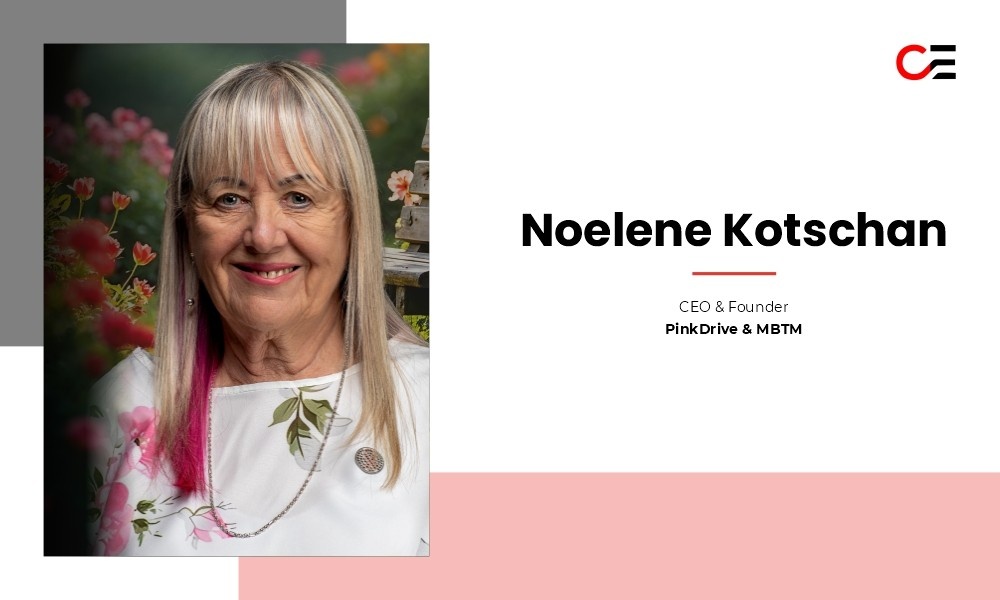
For many leaders, the journey into impact begins with intent. For Noelene Kotschan, it began with exposure to a reality that could not be ignored.

Her professional foundation was built in the corporate sector, where she developed a strong grounding in marketing, communications, and strategic brand development. Working across established organisations, she gained experience in stakeholder engagement, campaign strategy, and operational execution. It was an environment defined by structure, measurable outcomes, and clearly mapped growth trajectories. Success was predictable, and execution was precise.

Over time, however, that clarity began to feel insufficient.

As Noelene gained deeper exposure to the realities of healthcare access, particularly within underserved communities, a stark contrast emerged. Preventative healthcare services, especially those related to breast and cervical cancer, were not reaching those who needed them most. The gap was not in the availability of solutions. Screening technologies exist. Awareness campaigns were active. Yet access remained uneven and, in many cases, entirely absent.

In several communities, early detection services were simply out of reach.

This realization marked a turning point. It reshaped her perspective, not only as a professional but as someone positioned to address a systemic challenge. What became clear was that the issue extended beyond healthcare. At its core, it was about access.

If access was the problem, then the solution required a fundamentally different approach.

This thinking led to the founding of PinkDrive NPC.

From Corporate Precision to Purpose-Led Leadership

Noelene’s transition from the corporate sector into social impact was not impulsive. It was a deliberate shift driven by the need to create tangible and measurable change.

Rather than leaving behind her corporate discipline, she applied it with greater intent. Operating within a resource-constrained healthcare environment demands structure, accountability, and strategic clarity. In this space, inefficiency carries direct consequences.

Her leadership style is structured, purpose-driven, and grounded in accountability. Every initiative, partnership, and operational decision is aligned with a singular objective: improving access to preventative healthcare.

She remains closely involved in strategy, partnerships, and advocacy while building teams that are capable, accountable, and aligned with the mission. The organisation is designed to function as a system, not as an individual effort.

Her communication style is direct, transparent, and values based. Whether engaging with government bodies, corporate stakeholders, or communities, the message remains consistent. Improving access to early detection requires alignment across all levels.

Redefining Healthcare Delivery Through Mobility

At the core of PinkDrive NPC’s model is a principle rooted in practicality. If individuals cannot access healthcare services, those services must be brought to them.

This led to the development of a mobile, community-first healthcare model designed to address infrastructure gaps, geographic barriers, and socioeconomic constraints.

Today, PinkDrive NPC delivers a comprehensive range of services:

• Breast cancer screening through mobile mammography and clinical examinations
 • Cervical cancer screening, including Pap smears, supported by HPV awareness and education
 • Prostate cancer screening through PSA testing
 • Education on testicular cancer and broader preventative health
 • Community-based awareness programmes
 • Patient navigation and referral support to ensure continuity of care

Through More Balls Than Most (MBTM), the organisation extends its reach into men’s health, addressing prostate and testicular cancer awareness and early detection, areas that are often underrepresented in preventative healthcare.

What differentiates this model is not only its mobility, but its integrated approach. Screening is combined with education to drive informed decision-making and long-term behavioural change, particularly in relation to HPV awareness and cervical cancer prevention.

With an increasing focus on cervical cancer elimination through HPV awareness, screening, and education, the organisation continues to strengthen its contribution to preventative healthcare at scale.

Navigating the Realities of Scale

Scaling a purpose-driven healthcare organisation presents both structural and operational challenges.

The demand for early detection services continues to rise, particularly in underserved communities. At the same time, funding within the non-profit healthcare sector remains constrained and, at times, unpredictable. This creates a complex operating environment where prioritisation is critical.

Key challenges include:

• Expanding access without compromising the quality of care
 • Managing limited financial resources while ensuring sustainability
 • Directing maximum resources toward patient care
 • Balancing visibility with meaningful, outcome-driven impact

Under Noelene’s leadership, these challenges are addressed through resilience, discipline, and a clear sense of purpose. The organisation has built strong, value-aligned partnerships, remained financially disciplined, and prioritised collaboration over competition.

A guiding principle shapes this approach. The purpose must lead to a strategy. When decisions are anchored in impact, sustainability becomes the outcome of consistent and disciplined execution.

Technology as an Enabler

As PinkDrive NPC continues to expand, technology plays an important role in strengthening operations and improving reach.

Digital systems are used to monitor screening outcomes, track patient referrals, and support continuity of care. They also enable the organisation to extend awareness campaigns beyond physical outreach initiatives.

However, technology is not positioned as a replacement for human engagement.

In healthcare, particularly in women’s health, trust remains essential. It is built through direct, respectful, and community-based interaction.

Technology enhances efficiency, but it is human engagement that builds trust and drives participation.

A Sector Moving Toward Prevention

The broader healthcare landscape is undergoing a shift toward preventative care.

A growing global priority is the elimination of cervical cancer as a public health challenge. This is being driven by expanded HPV vaccination, increased access to early screening, and improved pathways to treatment.

Several key trends are shaping the future of the sector:

• Increased emphasis on data-driven impact and accountability
 • Stronger collaboration between public and private sectors
 • Integration of preventative services into primary healthcare systems
 • Expansion of mobile and decentralised healthcare delivery models

Within this evolving environment, organisations like PinkDrive NPC play a critical role in bridging the gap between policy ambition and on-the-ground implementation, ensuring that strategy translates into measurable impact at community level.

Beyond Strategy, Toward Sustained Impact

For Noelene, sustainability is not defined by short-term success. It is built through consistency, engagement, and long-term commitment.

PinkDrive NPC’s approach focuses on sustained community engagement, continuous education around HPV and cancer prevention, and consistent availability of screening services rather than one-off interventions.

The organisation also works closely with public health systems to ensure continuity of care beyond initial screenings.

Financial sustainability is supported through diversified funding partnerships aligned with measurable health outcomes, ensuring that impact remains in the central focus.

Recognition and Measurable Milestones

PinkDrive NPC has been recognised for its contribution to mobile healthcare delivery, cancer awareness, and community-based screening innovation in South Africa.

Key recognitions include the 2025 Social Impact Influencer of the Year (NGO) South Africa Award, received in Qatar, and the 2026 Fluxx Award for Global Excellence in Social Impact and Cancer Awareness, received in Manila. The organisation has also been nominated for a Corporate Social Investment Award and a Global Excellence and Leadership Award in Cape Town.

Beyond formal recognition, some of the most meaningful milestones include:

• Expansion of mobile screening services into rural and underserved communities across South Africa
 • Increased uptake of cervical cancer screening through community-based interventions
 • Strengthened HPV awareness and education as part of broader preventative health efforts
 • Early detection outcomes enabling timely treatment and improved patient prognosis

These milestones reflect measurable impact and sustained progress at community level.

The Challenge That Remains

Despite progress, the central challenge persists.

Knowledge exists. The tools are available. The frameworks are in place.

Yet access remains inconsistent, particularly in underserved regions.

Addressing this requires a sustained and focused approach:

• Expanding education around cancer prevention and HPV awareness
 • Scaling mobile healthcare delivery models
 • Strengthening integration between outreach initiatives and public health systems
 • Elevating preventative healthcare as a national priority

Cervical cancer represents a critical opportunity. It is largely preventable. The challenge lies not in capability, but in accessibility.

A Mission That Continues

As PinkDrive NPC looks ahead, its direction remains clear.

While continuing efforts across breast, prostate, and testicular cancer, the organisation is placing increasing emphasis on cervical cancer elimination. This includes expanding HPV education, increasing screening coverage, and strengthening referral pathways.

There is also a long-term vision to extend this model beyond South Africa into other parts of Africa where similar disparities in access exist.

The focus is not on expansion for recognition. It is on expansion for reach and impact.

The Principle at the Core

At the centre of Noelene’s work is a belief that continues to guide every decision.

Early detection prolongs lives.

It is a principle grounded in both responsibility and action. In the case of cervical cancer, prevention is not theoretical. It is achievable through awareness, vaccination, and regular screening.

The question is no longer whether solutions exist.

The question is whether those solutions will be made accessible to everyone.

Because access should not determine who receives timely care. Until it no longer does, the work remains unfinished.

Amazon’s Bold Logistics Move: What It Means for Rivals

Amazon is once again shaking up the business world with a strategic expansion in logistics that mirrors the innovation behind its cloud juggernaut, AWS. Analysts are calling it an Amazon bold move, as the company leverages its expertise to streamline delivery, optimize supply chains, and gain a competitive edge over rivals in both e-commerce and retail sectors.

This latest initiative is designed not just to improve efficiency but also to reinforce Amazon’s dominance in the logistics space, making it a key topic for anyone following Amazon logistics blogs or studying modern corporate strategy.

Understanding Amazon’s Logistics Strategy

At the heart of this strategy is Amazon boldness—the willingness to invest heavily in infrastructure, technology, and automation to maintain market leadership. The company is expanding fulfillment centers, experimenting with robotics, and enhancing last-mile delivery networks to reduce costs and accelerate delivery times.

For those curious about the technical aspects, understanding Amazon logistic meaning involves seeing logistics not just as transport but as an integrated network of warehousing, inventory management, and predictive analytics that supports rapid, reliable delivery to millions of customers worldwide.

What This Means for Competitors

Amazon’s approach sends a clear signal to competitors: efficiency and speed are no longer optional—they are central to survival. Retailers and delivery companies now face pressure to innovate or risk losing market share.

Industry insiders say that Amazon’s “AWS-style” expansion into logistics demonstrates Amazon bol meaning, which can be interpreted as the company taking bold, strategic steps to integrate technology with operations, much like it did with cloud computing. This model allows Amazon to:

  • Reduce dependence on third-party carriers.
  • Increase control over shipping timelines.
  • Collect and analyze delivery data for continuous optimization.

How Amazon Boldness Shapes the Future of E-Commerce

Amazon’s logistics innovations are influencing broader trends in retail. Faster delivery expectations, real-time tracking, and the ability to manage returns efficiently are becoming standard benchmarks. By setting this bar, Amazon ensures that its rivals must also adapt to changing consumer expectations or risk falling behind.

For customers and businesses tracking trends on Amazon logistics blog, it’s clear that the company’s bold moves are not just about shipping—they are about creating a seamless end-to-end experience that blends technology, operational excellence, and customer satisfaction.

Amazon Logistics Meaning: Beyond Delivery

Understanding Amazon logistics meaning is key to appreciating the company’s strategic play. It goes beyond trucks and warehouses; it involves AI-powered forecasting, automated sorting centers, and predictive supply chain management. These innovations allow Amazon to anticipate demand, optimize routes, and reduce operational costs while maintaining high service levels.

Such sophistication is what makes Amazon’s logistics network a model for modern retail operations, showing the power of integrating technology and strategy. Competitors are now forced to rethink their own supply chain models to keep pace with this level of operational precision.

Key Takeaways

  • Amazon’s bold logistics expansion is a strategic effort to dominate delivery and supply chain efficiency.
  • The move reflects Amazon boldness similar to its AWS innovations.
  • Understanding Amazon logistic meaning reveals a complex system of warehousing, automation, and predictive analytics.
  • Competitors must innovate rapidly or risk losing market share in e-commerce and retail sectors.
  • By combining technology, operational expertise, and strategic boldness, Amazon is reshaping how logistics is perceived in the digital age, creating a new standard that rivals will find hard to match.

Amazon Boldness in Logistics: Shaping the Future of E-Commerce

Amazon’s bold logistics expansion underscores its commitment to redefining the future of e-commerce. By leveraging advanced technology, automation, and predictive supply chains, the company is not just improving delivery efficiency—it is setting a new standard that rivals must meet to stay competitive. This move highlights how Amazon boldness translates into strategic leadership, transforming logistics from a support function into a powerful differentiator in the retail and e-commerce landscape.

Discover 2026’s Top 50 Eco Tourism Destinations Today!

As global travelers increasingly seek sustainable and immersive experiences, eco-tourism is fast becoming the preferred mode of exploration. TTW has unveiled the top 50 destinations for ecotourism around the world, showcasing locations that combine environmental preservation, cultural authenticity, and responsible travel practices. From remote rainforests to pristine beaches, these destinations allow visitors to immerse themselves in nature while minimizing ecological impact. Whether you are looking to discover top 50 global eco-tourism spots or explore top 50 travel destinations in the world 2026, this curated list provides inspiration for your next adventure.

Why Eco-Tourism is Leading Travel Trends in 2026

Eco-tourism is no longer a niche; it is the future of travel. Travelers now seek experiences that allow them to enjoy nature, support local communities, and reduce environmental impact. Eco-tourism encourages sustainable accommodations, guided wildlife tours, and immersive cultural experiences, making vacations not only memorable but meaningful.

For those wanting to discover destinations tours, eco-tourism offers structured experiences that combine adventure, education, and sustainability. These tours often include activities like wildlife conservation programs, forest treks, coral reef monitoring, and community-led cultural workshops. Participating in these experiences ensures your travel leaves a positive impact, embodying the philosophy of responsible adventure.

Top Highlights from the Top 50 Destinations 2026

The list spans diverse landscapes and cultures, enabling travelers to discover top 10 places that suit their interests, from mountain retreats to coastal paradises. Some must-visit destinations include:

  • Costa Rica – Famous for its biodiversity and eco-lodges powered by renewable energy, Costa Rica continues to set benchmarks in sustainable tourism.
  • Norway Fjords – Visitors can enjoy breathtaking views while exploring eco-friendly cruises and electric ferry tours.
  • Bhutan – The Himalayan kingdom blends cultural preservation with environmental sustainability, offering unique trekking experiences.
  • New Zealand – Adventure tourism meets sustainability, with eco-certified lodges and guided tours of untouched natural landscapes.
  • Galápagos Islands, Ecuador – Famous for conservation efforts, these islands provide regulated wildlife tours and educational programs for tourists.
  • Palawan, Philippines – Known for its crystal-clear waters and coral reef protection initiatives.
  • Reunion Island – Offers hiking trails, volcanic landscapes, and community-led eco-adventures in harmony with nature.

These destinations exemplify the ways travelers can discover top 50 destinations 2026 while prioritizing ecological integrity and cultural respect.

How to Plan a Sustainable Eco-Adventure

When preparing to explore top destinations for ecotourism around the world, thoughtful planning is key:

  • Choose Eco-Friendly Accommodations – Look for lodges and hotels certified by global sustainability standards such as Green Key or EarthCheck.
  • Engage with Local Communities – Participate in tours led by local guides and support community-run projects.
  • Prioritize Low-Impact Transportation – Use trains, shared rides, or electric vehicles whenever possible.
  • Respect Wildlife and Natural Habitats – Stick to designated trails, avoid disturbing wildlife, and follow local environmental regulations.
  • Pack Responsibly – Bring reusable water bottles, eco-friendly toiletries, and minimize single-use plastics.

By planning responsibly, travelers can discover destinations tours that are both enjoyable and environmentally conscious.

Unique Experiences to Try in 2026

Eco-tourism is about more than visiting beautiful places; it’s about immersive experiences that foster learning and connection. Here’s what you can look forward to in 2026:

  • Marine Conservation Diving – Volunteer with coral reef restoration projects in Australia’s Great Barrier Reef or the Maldives.
  • Rainforest Trekking in South America – Explore the Amazon with guides trained in sustainable conservation practices.
  • Cultural Exchange in Africa – Participate in eco-friendly community projects, from wildlife monitoring to sustainable farming workshops.
  • Northern Lights in Iceland – Stay in eco-lodges powered by geothermal energy while exploring nature responsibly.
  • Jungle Photography Workshops – Learn to photograph wildlife and landscapes while supporting conservation efforts in Borneo or Costa Rica.

These experiences allow travelers to discover top 50 travel destinations in the world 2026 with both purpose and adventure.

The Global Impact of Eco-Tourism

Eco-tourism plays a critical role in preserving biodiversity, supporting local economies, and raising awareness about climate change. By visiting travel destinations 2026 responsibly, tourists contribute to conservation programs, fund sustainable projects, and encourage businesses to adopt greener practices.

Destinations like Costa Rica, Bhutan, and Palawan showcase the economic and environmental benefits of eco-tourism, proving that travel can be both profitable and planet-friendly. It’s a model that encourages other countries to discover top 50 destinations that combine cultural immersion with sustainable practices.

Experience the Future of Eco-Tourism with 2026’s Top 50 Destinations

The top 50 destinations for ecotourism around the world for 2026 are more than just travel spots — they represent a movement toward responsible, sustainable, and immersive experiences. By choosing to discover top 10 places or exploring top destinations for ecotourism, travelers can enjoy unforgettable adventures while contributing to environmental preservation.

2026 is shaping up to be the year for conscious exploration, where adventure meets purpose and every journey makes a difference. Whether you’re hiking through rainforests, diving in coral reefs, or exploring cultural heritage sites, eco-tourism ensures that your travels leave a positive footprint.

Merck’s Financial Update: Losses and Sales Surge Explained

Merck, one of the world’s leading pharmaceutical companies, has recently released its latest financial update, drawing attention from investors, analysts, and healthcare professionals alike. With a mix of losses and a significant surge in sales, the report highlights the complexities of operating in a competitive pharmaceutical market while investing heavily in research and development. Stakeholders are keenly reviewing Merck’s earnings call, transcripts, and insights from the Merck pipeline to understand the drivers behind the numbers and what the future may hold.

Merck’s Earnings Overview: Balancing Losses and Revenue Growth

In its most recent update, Merck reported notable losses in certain operational segments, while overall sales experienced a marked increase. Analysts note that the Merck Q3 earnings and other quarterly results reflect both the challenges and opportunities facing the company. Rising R&D costs, investments in vaccine production, and the integration of recent acquisitions have contributed to short-term losses, while strong sales in key products—such as oncology and immunology drugs—propelled overall revenue growth.

Investors seeking detailed insights have turned to the Merck earnings call transcript, which provides a transparent view of executive discussions, future guidance, and strategic priorities. During the call, company leadership emphasized ongoing investments in pipeline drugs, expansion into emerging markets, and the long-term potential of newly approved therapies.

Key Drivers Behind the Sales Surge

Merck’s revenue growth has been fueled by several key factors:

Strong Performance in Oncology and Vaccines: Products such as KEYTRUDA® continue to dominate the oncology market, while Merck’s vaccine portfolio, including HPV and COVID-19 vaccines, contributed significantly to the surge in sales.

Global Market Expansion: Increased access in emerging markets and strengthened distribution networks have allowed Merck to reach more patients, contributing to higher international sales.

Pipeline Advancements: Strategic focus on late-stage pipeline drugs, including novel therapies in infectious diseases and cardiovascular care, positions the company for sustained growth.

Industry observers following Merck news have highlighted the company’s ability to balance short-term losses against long-term revenue potential, reflecting a deliberate strategy of reinvestment into innovation.

Financial Insights from Investor Relations

Merck’s investor relations portal offers comprehensive resources, including quarterly earnings releases, annual reports, and strategic presentations. According to the Merck annual report, the company continues to prioritize R&D investment, which accounts for a significant portion of operating expenses. This commitment underscores Merck’s focus on maintaining a robust Merck pipeline capable of delivering breakthrough therapies over the next decade.

The report also outlines ongoing collaborations and licensing agreements, which are expected to strengthen market position and diversify revenue streams. Investors are encouraged to review these documents to understand the financial mechanisms behind Merck’s dual narrative of short-term losses and growth opportunities.

Strategy and Innovation

Looking ahead, Merck aims to sustain growth while managing operational costs effectively. Analysts predict that continued approvals of late-stage pipeline drugs, expansion into oncology combination therapies, and a focus on global health initiatives will drive future revenue. The balance between investing in Merck pipeline innovations and achieving profitability remains the central theme for the company’s long-term strategy.

By examining the Merck earnings call, reviewing the earnings call transcript, and tracking key product launches, stakeholders can gain a clearer understanding of how Merck plans to navigate both market challenges and opportunities.

Strategic Insights: Balancing Innovation and Growth

Merck’s Financial Update: Losses and Sales Surge Explained reflects the dual realities of the modern pharmaceutical industry: short-term operational challenges versus long-term growth potential. The company’s commitment to innovation, pipeline development, and global expansion demonstrates a strategic approach that balances current financial pressures with future opportunities. For investors, healthcare professionals, and industry watchers, Merck’s updates offer valuable insights into how a major pharmaceutical company adapts, invests, and thrives in a rapidly evolving market.

Fannie Mae’s $3.7 Billion Q1 2026: A Financial Overview

Fannie Mae has reported a net income of $3.7 billion for the first quarter of 2026, signaling resilience in the mortgage finance sector amid evolving market conditions. This report, Fannie Mae’s $3.7 Billion Q1 2026: A Financial Overview, provides insights into the company’s performance, portfolio management, and projections for the upcoming quarters. Investors and analysts are keenly watching how Fannie Mae navigates interest rate fluctuations, housing demand, and regulatory pressures, as well as how its performance compares with sister institutions like Freddie Mac.

Q1 2026 Earnings Highlights

Fannie Mae’s Q1 2026 earnings underscore robust operational efficiency and steady revenue streams from its retained mortgage portfolio. The $3.7 billion net income surpasses several analyst estimates, reflecting a combination of strong loan performance and disciplined risk management.

Investors are particularly focused on key metrics like the Fannie Mae SDQ rate, which measures seriously delinquent loans and indicates the health of the mortgage portfolio. A stable SDQ rate provides confidence in the sustainability of the company’s earnings.

Comparing with Freddie Mac

As Fannie Mae reports solid results, market observers often draw comparisons with Freddie Mac 10-Q 2026 and Freddie Mac 10-K filings to evaluate relative performance. Both institutions play a central role in the U.S. housing finance system, managing large retained portfolios and securitizations. Analysis of the Freddie Mac retained portfolio alongside Fannie Mae’s results highlights trends in mortgage-backed securities and overall market exposure.

Understanding these comparisons helps investors assess broader housing finance trends and make informed decisions regarding securities backed by these entities.

Q2 2026 and Beyond

The market now turns attention to Fannie Mae Q2 2026 earnings, where analysts will track whether the strong Q1 momentum continues amid interest rate volatility and housing market dynamics. Key questions include will Fannie Mae stock recover if mortgage rates rise and how new lending or portfolio adjustments may influence profitability.

Strategic guidance from Fannie Mae suggests ongoing efforts to optimize the balance between risk management and revenue growth. By carefully managing its retained portfolio and securitization activities, the company aims to maintain stability for shareholders and the broader housing finance market.

Key Financial Metrics

Several metrics are critical for stakeholders:

  • Net Income: $3.7 billion in Q1 2026, reflecting strong core operations.
  • SDQ Rate: Stable performance in the seriously delinquent loan segment indicates effective risk management.
  • Portfolio Management: Ongoing monitoring of retained mortgage assets ensures resilience against market volatility.
  • Investor Guidance: Emphasis on sustainable growth, regulatory compliance, and market transparency.

These insights form the basis for forecasting performance in upcoming quarters, including Q2 2026, and for comparing performance against Freddie Mac and other housing finance entities.

A Strong Start to 2026

Fannie Mae’s $3.7 Billion Q1 2026: A Financial Overview confirms the company’s ability to navigate complex financial conditions while maintaining strong portfolio performance. With stable SDQ rates and prudent risk management, Fannie Mae is positioned to meet the challenges of a dynamic housing finance market.

As analysts await Fannie Mae Q2 2026 earnings, investors are watching how portfolio strategies, market conditions, and policy developments will impact future profitability and whether Fannie Mae stock will recover to previous highs. Comparisons with Freddie Mac 10-K and 10-Q filings provide further context, making these reports essential reading for stakeholders seeking a comprehensive understanding of the U.S. housing finance landscape.

Experience the New Sail-Power Route from England to France

Travel enthusiasts and commuters alike can now enjoy a revolutionary way to cross the Channel with the new sail-power route from England to France. Designed to combine speed, sustainability, and comfort, this innovative ferry service connects the UK to France like never before. Whether you’re planning a quick getaway or transporting your vehicle across the sea, this service is set to redefine cross-border travel.

A Game-Changer for Ferry Travel

The introduction of this sail link sail ferry is transforming the way passengers experience journeys from the UK to France. With routes specifically designed for efficiency, travelers can enjoy ferry to Boulogne from UK trips in record time. Unlike traditional ferries, sail-powered vessels offer an eco-friendly alternative by harnessing wind energy alongside conventional engines. This dual-mode propulsion reduces emissions while ensuring reliable and timely journeys.

Convenient Routes and Travel Options

One of the key attractions of the service is its range of options. For example:

  • Folkestone to Boulogne ferry – A popular choice for those wanting a shorter, scenic crossing.
  • Dover to France distance – Passengers can experience one of the quickest maritime links between southern England and northern France.
  • Catamaran England to France – For travelers seeking speed, catamaran services cut travel time significantly.
  • Ferry from UK to France with car – Perfect for road-trippers wanting flexibility and ease in transporting vehicles.
  • The service also connects indirectly to other destinations, like ferry from UK to Norway, giving adventurers even more travel possibilities.

Shortest Route and Efficiency

With the emphasis on sustainability and speed, this service claims to offer the shortest route from UK to France. Traditional ferry routes often involve long detours, but the sail-powered option trims unnecessary mileage. For instance, the Folkestone to Boulogne route ensures a swift crossing, allowing travelers more time to enjoy their destination rather than the journey.

Embracing Technology and Comfort

Passengers will find modern amenities aboard these vessels. Comfortable lounges, onboard cafes, and panoramic viewing decks make the journey not just a means of transport but a unique travel experience. The integration of technology ensures smooth bookings, accurate departure times, and real-time travel updates.

Environmental Benefits

With growing concerns over carbon footprints, sail link sail ferries provide a greener alternative to conventional shipping. By harnessing wind power to supplement engine use, emissions are reduced substantially, aligning with global sustainability goals. This makes it an ideal choice for eco-conscious travelers and families looking to minimize environmental impact while enjoying their vacations.

Future Prospects

The introduction of sail-powered ferries is part of a larger trend in maritime transport, where efficiency and sustainability go hand in hand. Analysts predict that as technology evolves, these ferries may become the norm for cross-Channel travel, combining comfort, speed, and reduced environmental impact.

Spirit Airlines Eyes Federal Financing: What’s Next?

Spirit Airlines is exploring new financial avenues as it eyes federal financing options to strengthen its operations and expand market presence. The low-cost carrier has faced a turbulent year, navigating rising fuel costs, staffing challenges, and operational pressures. With strategic financing under consideration, Spirit Airlines aims to secure capital that will enhance its fleet, improve customer service, and support growth initiatives.

Industry insiders are paying close attention to Spirit Airlines financing plans, which could include federal programs, credit lines, or other government-backed options. These steps signal the airline’s determination to remain competitive in a challenging market while preparing for future expansion and resilience.

Understanding Spirit Airlines Financing Plans

Spirit Airlines is reportedly evaluating several financing mechanisms, including federal loans and government-backed programs that could support operational stability. While details are still emerging, discussions about Spirit financing reflect the airline’s proactive approach to managing cash flow and addressing economic pressures.

Potential federal support could help the airline modernize its fleet, improve route efficiency, and enhance passenger experience. Analysts suggest that securing reliable financing is crucial, particularly for budget carriers, which often operate on thinner margins compared to larger airlines.

Key Legal and Regulatory Context

As Spirit Airlines explores federal financing, regulatory compliance becomes a central focus. References to Spirit Airlines FEIN number and Spirit Airlines federal judge highlight the legal and procedural framework surrounding corporate financing and operational accountability. Airlines seeking federal assistance must meet strict requirements related to financial reporting, safety compliance, and operational transparency.

Additionally, discussions about Spirit Airlines eye insurance indicate that the airline is considering comprehensive risk management strategies to protect assets and mitigate potential liabilities, which is often a prerequisite for federal funding.

Operational Impacts and Strategic Goals

Securing federal financing could allow Spirit Airlines to:

  • Expand domestic and international routes
  • Upgrade and modernize the fleet
  • Enhance passenger experience and customer satisfaction
  • Implement advanced operational technology for efficiency


Analysts note that the airline’s commitment to leveraging financing for strategic growth reflects a long-term plan to strengthen its market position among low-cost carriers. By balancing careful financial management with expansion goals, Spirit Airlines is preparing for a future of sustainable growth.

Industry and Market Implications

The pursuit of federal financing by Spirit Airlines also has wider implications for the aviation industry. Government-backed support can stabilize airlines during periods of volatility, such as fluctuating fuel prices or economic uncertainty. Furthermore, successful financing could allow Spirit to remain competitive against rivals while maintaining affordable fares, which is central to the airline’s low-cost model.

Investors and market watchers are closely monitoring developments, as securing federal financing may enhance Spirit Airlines’ credit profile and overall operational resilience. Discussions around Spirit Airlines EETCS (European-style electronic control systems) indicate ongoing investments in technological upgrades that further strengthen the airline’s capabilities.

Navigating the Next Steps

As Spirit Airlines evaluates federal financing opportunities, the airline demonstrates a proactive approach to growth and stability. By exploring government-backed programs, upgrading operational systems, and maintaining regulatory compliance, Spirit is positioning itself for continued success in a competitive market.

With strategic financing, robust risk management, and fleet modernization on the horizon, Spirit Airlines is preparing to navigate challenges while delivering value to passengers, investors, and stakeholders alike. The next steps in Spirit Airlines financing will be closely watched by the industry, offering insights into how low-cost carriers adapt and thrive in an evolving aviation landscape.

EdTech Market Surge: North America’s Dominance Explained

The global EdTech market surge has reached a defining moment, with forecasts projecting the industry to hit US$ 585.93 billion by 2033. This unprecedented growth reflects how digital transformation has permanently reshaped education, from K–12 classrooms to corporate learning programs. North America remains the front-runner, commanding nearly 36% of the total market, driven by strong infrastructure, rapid adoption of AI-driven platforms, and aggressive investment in digital learning.

As the world embraces hybrid learning, immersive tools, and personalized education systems, the education technology industry is entering its most accelerated phase—one where innovation and accessibility walk hand in hand.

North America’s Leadership: Why the Region Dominates the EdTech Boom

The U.S. continues to be the powerhouse of global EdTech innovation. Recent US EdTech market size reports show consistent year-on-year growth, supported by a high concentration of EdTech startups, venture capital funding, and early adoption by schools and universities. Platforms specializing in AI-based learning, adaptive testing, and digital curriculum delivery have become widely integrated into K–12 and higher education systems.

The region’s proactive policies and investment culture further fuel this lead. With a strong digital backbone, the K–12 EdTech market size in the U.S. alone has grown rapidly, driven by needs such as personalized content, real-time performance tracking, and virtual classroom tools.

North America’s EdTech initiatives also focus on accessibility—from addressing learning gaps to supporting remote education for underserved communities. The region’s continued investment places it at the center of the EdTech global market, shaping trends adopted across Europe, Asia, and the Middle East.

A Deep Dive Into Global EdTech Growth: Key Drivers and Shifting Trends

The global EdTech upsurge is being fueled by several transformative factors. The post-pandemic era accelerated digital adoption worldwide, creating a new normal for online and hybrid learning models. As a result, the demand for cloud-based platforms, mobile learning apps, and AI-powered systems skyrocketed.

Current EdTech statistics reveal that AI, AR/VR, and data analytics are at the core of this transformation. AI-powered platforms are enabling adaptive learning, while VR classrooms bring immersive learning environments to K–12 and professional learners. Corporates, too, are investing heavily in upskilling programs, contributing significantly to market revenue.

Key trends shaping the EdTech industry include:

  • Growth of generative AI tools for personalized learning
  • Adoption of AR/VR in STEM and medical education
  • Blockchain for certificate verification
  • Remote learning apps for global accessibility
  • Increasing demand for affordable micro-learning modules

These EdTech industry trends reflect a future where education becomes borderless, flexible, and highly personalized—moving beyond the physical classroom.

North America vs. Global Market: Understanding the Competitive Edge

What sets North America apart in the EdTech market surge North America’s dominance explained in studies, including the 2022 comparative reports, is its ability to scale innovation rapidly. While Asia-Pacific is growing fast, North America’s ecosystem consistently benefits from:

  • Strong university-industry collaboration
  • Federal and state-level digital education programs
  • Availability of advanced tech infrastructure
  • High digital literacy among teachers and students
  • Venture funding and accelerators for EdTech startups

These elements create a cycle of innovation that keeps North America ahead in the race.

At the same time, global markets—from India to Europe—are catching up with bold digital policies and rising mobile penetration, contributing significantly to the overall EdTech global market value.

The Future of Digital Learning Is Borderless

The EdTech market is not just growing—it is transforming the very foundation of learning worldwide. With North America leading the charge and global players rapidly innovating, the next decade will redefine what learning looks like: personalized, technology-driven, and universally accessible.

As the market heads toward the US$ 585.93 billion milestone by 2033, one thing is clear—EdTech is not just shaping the future of education; it is shaping the future of global economies.

UK Government’s Bold Move: Fintech Payments Package Unveiled

The UK government has taken a decisive step to strengthen the country’s position as a global fintech hub by unveiling a comprehensive fintech payments package. Designed to support innovation, enhance regulation, and address capital constraints, the package signals a renewed focus on digital finance. With initiatives ranging from regulatory feedback on big tech digital wallets to strategic support for fintech firms, the UK aims to stay ahead in the competitive global financial landscape.

Driving Innovation Through Regulation

At the heart of the package is close collaboration with the UK fintech regulator, ensuring that emerging financial technologies comply with safety standards while fostering innovation. The regulator is actively engaging with stakeholders, reflecting the growing influence of fintech in everyday transactions. One key area of focus is the consultation process for UK regulators seeking feedback on big tech digital wallets, ensuring that large technology firms entering finance maintain transparency and security for consumers.

This approach demonstrates the government’s commitment to balancing innovation with consumer protection, a crucial factor in maintaining trust in digital payments.

Addressing Capital Shortages and Supporting Fintech Growth

The package also tackles financial constraints faced by startups and established fintech companies. Reports highlight that UK fintechs ask government for help to ease capital shortages, reflecting the need for supportive policies in an evolving market. Through investment incentives, grants, and funding programs, the government aims to ensure that fintechs have the resources to scale operations, attract global talent, and compete internationally.

Moreover, this financial support comes at a crucial time when firms like Revolut are considering international expansions and potential IPOs, making it vital for the UK to remain a favorable fintech environment. Indeed, the government’s outreach to fintech leaders mirrors its strategy to woo Revolut as fintech favours US for potential IPO, signaling proactive measures to retain innovation at home.

A Modernized Payments Ecosystem

The new fintech payments package is designed to modernize the UK’s payments infrastructure. By integrating technologies such as instant payments, AI-based risk assessment, and blockchain-backed solutions, the initiative enhances efficiency, security, and accessibility. The government also aims to incorporate consumer insights from platforms like YouGov BNPL, understanding evolving preferences for buy-now-pay-later services and digital financial products.

Additionally, the package provides frameworks for digital wallet integration, enabling fintechs to develop competitive, user-friendly payment solutions. These efforts align with the broader fintech plan for government, emphasizing growth, innovation, and global competitiveness.

Global Implications and Strategic Positioning

By championing fintech innovation, the UK positions itself as a leading destination for investment, talent, and technology. The payments package addresses immediate industry challenges while setting long-term goals for digital finance leadership. International fintech firms, investors, and regulators will closely watch these developments, as the UK sets a benchmark for regulatory collaboration and innovation.

Furthermore, the initiative enhances the UK’s credibility as a fintech-friendly ecosystem, attracting startups and global financial institutions seeking a supportive environment for cutting-edge payment solutions.

Why This Package Matters

The unveiling of this package reflects a proactive approach by the UK government’s fintech strategy to combine innovation, regulation, and financial support. By addressing capital shortages, engaging regulators, and modernizing the payments landscape, the UK sets a precedent for other financial hubs.

As fintech adoption accelerates worldwide, these measures ensure that the UK remains a magnet for investment and innovation, creating a resilient, competitive, and inclusive financial ecosystem.