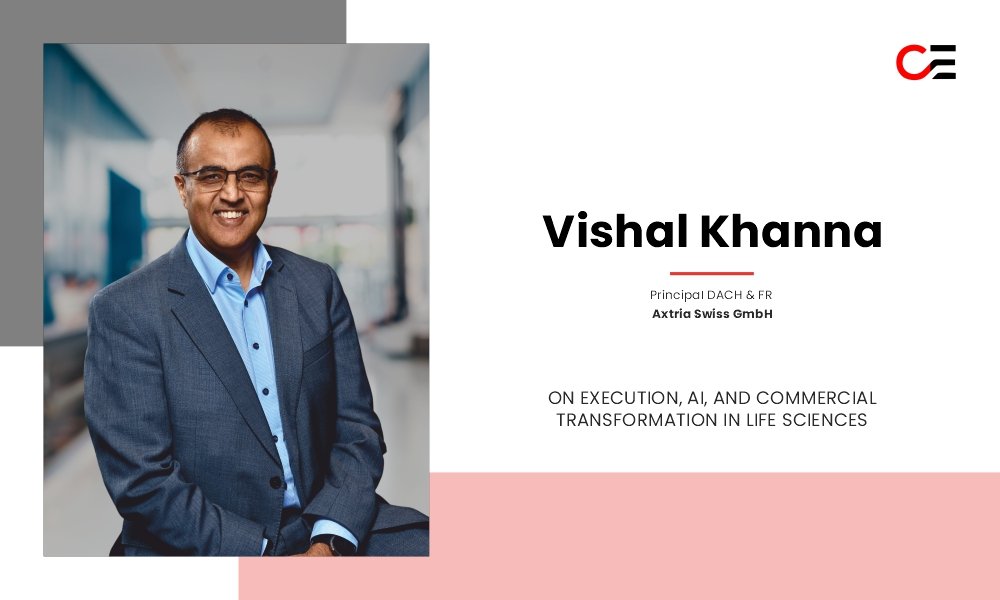
Sergei Tchoban: Designing Cities with Memory, Meaning, and Responsibility

Architecture is not only about constructing buildings. It is about shaping how people experience cities, how history is carried forward, and how the built environment responds to the future. For Sergei Tchoban, this belief has guided a career that brings together artistic discipline, cultural awareness, and a deep commitment to sustainability and urban identity.

Early Inspiration Shaped by Art and Observation

Sergei Tchoban’s journey began in Saint Petersburg, where he attended a specialised art school as a child. His earliest training was as a graphic artist, and by the age of eight he had already developed a fascination with architectural drawing. The historic city around him became an open classroom. Its skyline, proportions, and intricate details sparked a curiosity that would define his professional direction.

He was particularly drawn to how buildings aged over time and how architectural elements carried visible traces of history. Encouraged by his teachers, he chose to pursue architecture formally and later studied at the Ilya Repin Academy of Arts in Saint Petersburg. Drawing architecture has remained central to his process ever since, not simply as a representational skill but as a way of thinking and discovering ideas.

A Collaborative and Hands-On Leadership Style

Today, as Managing Director of Tchoban Voss Architekten, Tchoban leads an international practice while maintaining close involvement in design development. Despite the firm’s size and multiple locations, he strives to remain personally engaged with projects.

Communication plays a critical role in this approach. Direct dialogue with colleagues allows ideas to evolve quickly and clearly. Tchoban often sketches during discussions because drawing remains the most effective form of communication for him. These conversations are open, honest, and focused on shared goals, helping to create a strong creative culture across the organisation.

Responsibilities Rooted in Quality and Trust

One of his primary responsibilities is ensuring that the practice operates efficiently while securing meaningful projects at both national and international levels. This involves working closely with associates, project partners, and project teams to develop strong conceptual foundations and innovative solutions.

Equally important is delivering excellent service throughout the entire construction process. From discussions with approving authorities to coordination with contractors and consultants, the firm emphasises clarity, reliability, and collaboration. Client satisfaction is essential because long-term partnerships are built on trust and consistent quality.

Guiding Principles That Shape the Firm’s Vision

Three key ideas guide Tchoban’s leadership and design philosophy.

First, buildings must be sustainable and constructed from high-quality, environmentally responsible materials. Architecture should age well and remain valuable over time.

Second, the adaptive reuse of existing structures is critical. Demolition often means losing cultural identity and wasting embedded energy. Preserving and transforming buildings helps maintain the architectural language of a place.

Third, architecture should enrich the social and cultural atmosphere of a city. Buildings must contribute positively to their surroundings rather than function as isolated objects.

Delivering Tailored Design with Lasting Identity

Tchoban Voss Architekten focuses on developing precise, individualised concepts and realising them with exceptional attention to detail. The firm aims for completed buildings to exceed the expectations set by their visualisations.

Maintaining this level of identity in a competitive global environment requires balancing innovation with discipline. Each project is treated as a unique response to its site while reflecting the firm’s consistent commitment to craftsmanship and clarity.

The Importance of Context in Every Project

For Tchoban, contextual relevance is fundamental. Every building must respond thoughtfully to its urban environment, its social conditions, and its historical background. Architecture should grow from its surroundings rather than impose itself upon them.

This philosophy is strongly influenced by Berlin, where he has worked extensively. He views the city as an honest representation of architectural evolution. Walking through its neighbourhoods reveals layers of transformation, each contributing to a rich and complex urban narrative.

Learning Through Challenges

Like any long professional journey, Tchoban’s career has included both successes and difficulties. He believes these experiences are essential to growth. The key lesson is to maintain passion for design and remain committed to the creative process despite obstacles.

This sustained enthusiasm continues to drive his work and inspires those around him.

Technology as Support for Human Creativity

While recognising the growing role of digital tools and artificial intelligence, Tchoban emphasises that architecture remains a human discipline. Technology can assist with analysis, modelling, and efficiency, but the central design idea and communication with society must come from people.

In his view, innovation should enhance creativity, not replace it.

Creating Long-Term Value Through Knowledge and Experience

Architecture today plays an increasingly strategic role in urban development and investment. Tchoban believes that creating long-term value requires learning from past buildings, including those from recent decades. Understanding what has endured and what has failed helps architects design structures that are truly sustainable.

These lessons inform decisions about materials, construction methods, and spatial quality, allowing contemporary projects to achieve both durability and relevance.

Preparing for Future Industry Trends

Looking ahead, Tchoban expects increasing competition from automated design processes. However, he believes that thoughtful, well-researched concepts with ecological responsibility and carefully crafted details will become even more important.

Superficial ideas will fade, while architecture grounded in strong principles will remain in demand.

Sustainability as a Comprehensive Responsibility

Sustainability is embedded in every stage of the firm’s work. Reducing carbon emissions begins with material selection and continues through energy-efficient operation. Renewable energy systems, modular construction strategies, and lifecycle thinking all contribute to responsible development.

Yet sustainability also includes aesthetic longevity. A building must remain meaningful and appreciated over time. Emotional durability is just as important as technical performance.

Supporting Creativity and Knowledge Exchange

Tchoban is deeply committed to nurturing creativity within the profession. He founded the Tchoban Foundation Museum for Architectural Drawing in Berlin to highlight the importance of drawing as a conceptual tool and cultural practice.

Within the firm, training programmes and workshops with international experts encourage teams to expand their skills and explore new ideas, ensuring continuous intellectual growth.

Addressing the Challenges Facing Modern Architecture

One of the key concerns he identifies is the increasing tendency toward purely utilitarian buildings. While efficiency is necessary, cities must not lose visual richness or craftsmanship.

Architecture should once again embrace beauty as an essential quality, creating spaces that engage people emotionally as well as functionally.

Defining Success Through Balance

Tchoban defines success as a balance between design excellence, social relevance, and commercial viability. Architecture is inherently interdisciplinary, requiring architects to act as creators, coordinators, and strategists.

Despite these varied roles, he believes the artistic dimension must remain central because it gives architecture its cultural significance.

Looking Toward the Future

As he looks ahead, Tchoban hopes his work will demonstrate how ideas developed through drawing can translate into meaningful built environments. He encourages future architects to return to sketching as a way of thinking and exploring possibilities.

Clients and partners can expect reliability, innovation, and carefully considered solutions from his team as they move toward the future. From early planning stages to final construction, the firm remains committed to delivering projects that combine ecological responsibility, contextual awareness, and precise execution.

At the heart of Sergei Tchoban’s philosophy lies a simple but powerful principle. Architecture begins with thought, and thought often begins with a drawing. Through this process, ideas take shape, cities evolve, and the built environment gains lasting meaning.


Empowering African Mobility through Innovation: The Journey of a Visionary Leader

A Creative Foundation Turned Tech Visionary

The professional journey of this visionary entrepreneur began with the founding of Afrostitch Media, a creative powerhouse built on a foundation of animation, graphic design, and advertising. This early chapter honed a deep understanding of brand storytelling and visual communication. Yet, it was a realization about the transformative potential of technology that sparked a new direction.

Determined to harness innovation to solve real African challenges, he taught himself programming and ventured into developing digital platforms. This pursuit led to the creation of Emergency Taxi in 2017 — one of the region’s first e-hailing solutions, designed to provide immediate, safe rides, especially during emergencies. The success and lessons from that venture became the groundwork for Teksi Ride, a fully-fledged e-hailing platform built for scale across Southern Africa.

Choosing this industry was driven by a vision — to make transportation safe, accessible, and empowering, all through local innovation. For him, technology is not just about convenience but about creating inclusive mobility ecosystems that uplift both drivers and passengers.

Working and Communication Style

Described by peers as decisive, innovative, and collaborative, his working style thrives on clear execution with a creative flair. He believes in solution-driven leadership while maintaining a holistic view of business strategy.

When it comes to communication, he’s recognized for his strategic yet approachable manner. Whether leading a boardroom discussion or mentoring his team, he values clarity, inclusivity, and a focus on shared outcomes.

Leadership at Teksi Ride: Innovation with Purpose

As the CEO and Co-founder of Teksi Ride, he leads with a focus on strategic growth, operational excellence, and stakeholder alignment. His leadership ensures that the platform remains competitive, secure, and community-driven.

Under his direction, Teksi Ride has rolled out groundbreaking initiatives — including customer ID verification during registration to enhance security and a rent-to-own electric vehicle program that rewards loyal drivers with ownership opportunities. These innovations are transforming not just how people move, but also how they earn, grow, and participate in the digital economy.

Services that Move Africa Forward

Teksi Ride stands out as a proudly African e-hailing platform, offering more than just rides. Its diverse service portfolio includes:

  • On-demand and scheduled bookings
  • Airport transfers through app-based reservations
  • EV rent-to-own programs for drivers
  • Last-mile delivery in partnership with Bus Bud
  • Exclusive driver benefits with Avbob and FNB
  • Hardware-based panic buttons for safety in high-risk zones
  • Driver cellphone credit lines to keep them connected
  • Zero-rated data access through telecom collaborations

What truly differentiates Teksi Ride is its localization and community-first philosophy — a commitment to empowering users, ensuring safety, and creating shared economic value.

Overcoming Challenges and Building Resilience

Like every entrepreneurial journey, his path has been marked by challenges — from navigating regulatory hurdles with taxi associations to managing financial constraints during expansion.

One major test came during the rise of Emergency Taxi, where gaining acceptance from traditional taxi associations was difficult. The experience taught him the power of collaboration and inclusion, proving that technology must complement, not compete with, existing systems.

Funding remains another challenge in scaling African transport-tech platforms. Yet, by focusing on mission-aligned investors and long-term partnerships, Teksi Ride continues to grow sustainably — viewing mobility not just as a service, but as an infrastructure for development.

Technology: The Core Engine of Teksi Ride

At Teksi Ride, technology isn’t just a tool — it’s the DNA of the organization. The company’s app architecture, data analytics, and real-time systems are designed to enhance transparency, security, and efficiency.

By integrating with payment partners like Payfast and MTN MoMo, Teksi Ride ensures seamless transactions for drivers. The platform also supports real-time tracking, ID verification, and even hardware-based panic responses, bridging the gap between digital and physical safety.

In essence, Teksi Ride is using technology to solve social challenges — not just to innovate, but to empower.

Trends Shaping the Future of Mobility

Looking ahead, he identifies several transformative trends set to redefine the mobility sector in Africa:

  • Electrification of fleets for sustainability and cost-efficiency
  • Locally owned platforms that return control and value to communities
  • Data-driven financing models and driver-based insurance scoring
  • Multi-service integration, merging e-hailing with logistics, fintech, and public services

Teksi Ride is already embracing these trends through its EV pilot program, regional partnerships, and ecosystem-driven expansion strategy.

Commitment to Sustainability

Sustainability lies at the heart of Teksi Ride’s mission. The company actively promotes:

  • The adoption of electric vehicles to cut emissions
  • Solar-powered charging infrastructure to lower costs and energy footprints
  • Shared rides and route optimization to reduce congestion
  • Economic sustainability through rent-to-own initiatives and benefit partnerships

Teksi Ride proves that going green can be both profitable and inclusive — a model for the sustainable mobility of the future.

Recognition and Accolades

His work and vision have earned widespread recognition, including:

  • Keynote Speaker at the Botswana Transport and Energy Summit
  • Panelist at the SAMTEA Summit for E-hailing and Metered Taxis
  • Featured in Forbes (October issue) for innovation in African mobility
  • Finalist at the Nedbank Business Awards (2019)
  • Upcoming exhibition partner at Smart Mobility 2025

These milestones highlight Teksi Ride’s growing influence in shaping Africa’s transportation future.

Challenges and Solutions for the Industry

The e-hailing sector continues to face obstacles, particularly monopolistic pricing from global players and slow digital adoption among traditional drivers.

The solution, he believes, lies in local ownership, government collaboration, and inclusive technology adoption. By empowering local drivers with tools built for them, Africa can disrupt the global disruptors and reclaim its mobility narrative.

Reflections and Lessons Learned

If given a chance to change one thing, he admits he would have raised capital earlier during the Emergency Taxi phase — when momentum was high, but resources were limited. Nonetheless, that period instilled in him invaluable lessons about resilience, focus, and lean innovation.

The Road Ahead

The next few years promise an ambitious expansion journey for Teksi Ride. The team is preparing to:

  • Scale electric vehicle adoption
  • Create over 10,000 economic opportunities
  • Expand operations into Botswana, Zimbabwe, and other SADC nations
  • Integrate logistics, payments, and public services within its ecosystem

The mission is clear — to build the future of African mobility that’s safe, smart, and sustainable.

Words to Live By

“It is not the critic who counts… The credit belongs to the man who is in the arena.” — Theodore Roosevelt

This quote encapsulates his entrepreneurial spirit — a reminder that true impact belongs to those who dare to build, endure challenges, and shape change with courage and conviction.

The Journey of Olafemi Katane Roy: Building Legacy, Leadership, and Lasting Impact

Roots of Purpose: A Legacy Born from Service

Olafemi Katane Roy’s journey is a story of legacy transformed into leadership a path deeply rooted in heritage, purpose, and a calling to serve. Her professional trajectory was shaped long before she took on corporate leadership roles, grounded in the influence of the remarkable women who came before her.

Her grandmother, Queeneth Ndaba, a pioneering humanitarian, began her philanthropic work informally without titles, offices, or public recognition. What she did have was conviction: a belief in empowering underserved communities and artists through compassion and opportunity. Olafemi’s mother joined her in this mission, laying the foundation for what would one day evolve into a formal organization.

Growing up in this environment of resilience and service, Olafemi witnessed firsthand the impact of selfless leadership. Yet, as she matured, she recognized that to scale the family’s impact and ensure its sustainability, structure and governance were essential. That realization marked the beginning of her professional journey. She took the initiative to formally register and co-found the Queeneth Ndaba Foundation, turning her grandmother’s vision into an organization with the capacity to operate not only across South Africa but globally.

For Olafemi, the foundation is not just a charity it is a living testament to her lineage. It represents her commitment to transforming generational purpose into institutional progress.

Forging a Global Mining Legacy

While philanthropy may have been her starting point, Olafemi’s leadership journey extends into an industry often defined by its challenges mining. Her mother founded Katane and Daughters Mining and Services Pty Ltd in 2005, a venture that would later become one of the key pillars of the family’s business ecosystem.

When Olafemi assumed leadership, she inherited more than an enterprise; she inherited a responsibility to elevate a local mining company into a global player without compromising ethics or identity. Under her stewardship, Katane and Daughters has expanded operations from South Africa into Malawi and Guinea, with strategic plans for refinery acquisitions in Zimbabwe and exploration projects in both Malawi and Zimbabwe. The company now spans five continents, trading in coal and gold while upholding compliance with ICC 2020 standards.

Olafemi’s entry into mining was both an inheritance and an intention. She chose to remain in the industry because she saw its potential to redefine African business narratives. “African-owned companies,” she often emphasizes, “can lead ethically, powerfully, and globally.”

Her leadership style reflects this belief rooted in vision, values, and verifiable results.

Leading with Vision and Values

At the heart of Olafemi’s leadership is a clear philosophy: business growth must align with community impact. She describes her working style as “visionary, values-driven, and execution-focused,” qualities that those around her echo in their description of her as a transparent and empowering communicator.

As CEO, she has introduced several reforms to strengthen the company’s credibility and operational efficiency. Among them is a no-broker policy, ensuring that Katane and Daughters only deals directly with verified end-buyers. This move not only promotes transparency but also protects the company’s reputation in an industry often marred by intermediaries and unethical practices.

Additionally, she has pioneered a refined Co-CFI trade model that balances logistical responsibility between client and company while maintaining rigorous compliance through due diligence, anti-money-laundering protocols, and verified financial instruments.

These measures may seem procedural, but in the mining sector, they represent something much larger: integrity as a competitive advantage.

Building Systems that Empower

Beyond business, Olafemi continues to expand the Queeneth Ndaba Foundation into a global force for social good. Under her leadership, the foundation has launched several transformative initiatives:

  • The 100,000 Families Pledge, a food security program that supports vulnerable households across Africa.
  • A Global Wellness Initiative, launched in collaboration with strategic partners to promote holistic community well-being.
  • TEDxJabavu, a platform she founded to spotlight African thinkers, creators, and change-makers on a global stage.

For Olafemi, TEDxJabavu is not merely an event, it is a cultural movement. “It’s my love letter to critical thinking, creativity, and cultural restoration,” she reflects. By securing TED’s official recognition, she positioned the platform as a bridge between African intellect and global discourse.

Through these intertwined roles corporate leader, philanthropist, and cultural advocate Olafemi demonstrates that business success and social progress are not mutually exclusive; they are mutually reinforcing.

Innovation and Technology: Catalysts for Growth

In an era defined by rapid technological change, Olafemi views innovation as essential, not optional. Under her direction, both Katane and Daughters Mining and the Queeneth Ndaba Foundation have integrated digital systems to enhance transparency, efficiency, and accountability.

In the mining arm, the company leverages secure digital platforms for contract negotiation, logistics management, and compliance verification. At the foundation, technology enables streamlined donor communication, volunteer coordination, and virtual community-building.

TEDxJabavu, meanwhile, uses digital media to amplify African voices globally, ensuring that thought leadership from the continent reaches audiences worldwide.

To Olafemi, technology is more than a tool, it is an equalizer. It democratizes access, enhances credibility, and helps organizations scale their impact responsibly.

Navigating Challenges with Integrity

Like many women leadings in male-dominated industries, Olafemi’s path has not been without obstacles. Transitioning Katane and Daughters from a local operation to an international exporter demanded not just skill but stamina.

The skepticism she faced particularly as a young Black woman in mining—was profound. Yet, she overcame these challenges with a steadfast commitment to her values. By building direct relationships with buyers, assembling a world-class international team, and maintaining an unshakeable reputation for reliability, she turned doubt into respect.

Her greatest lesson through adversity, she says, can be summarized in three words: “Resilience wins. Reputation matters. Integrity multiplies.”

Sustainability and Social Responsibility

Sustainability is at the core of both of Olafemi’s organizations. Katane and Daughters integrate Environmental, Social, and Governance (ESG) principles across operations, focusing on ethical mining, local job creation, and environmental responsibility.

Her 10-year sustainability roadmap is closely aligned with the United Nations Sustainable Development Goals (SDGs) particularly Zero Hunger, Gender Equality, Decent Work, and Responsible Consumption. Through the Foundation, she extends this mission by reinvesting company profits into community development and empowerment programs.

In her own words, “Sustainability is not a department; it’s a discipline.”

Adapting to a Transforming Industry

Olafemi remains acutely aware of the shifts shaping the future of mining and trade. She identifies automation, AI integration, blockchain authentication, and green mining practices as the most transformative trends over the next five years.

Her response is both strategic and forward-looking: investing in ESG-compliant technologies, exploring digital certification tools, and building a tech-savvy workforce that combines traditional expertise with modern innovation.

By anticipating rather than reacting to industry changes, Katane and Daughters positions itself not just as a mining company but as a sustainable global enterprise.

Recognition and Global Outlook

While formal accolades are still emerging, Olafemi views her milestones through the lens of impact rather than prestige. The launch of TEDxJabavu, now recognized by TED globally, stands as one of her proudest achievements.

The initiative places her alongside a new generation of African leaders redefining influence not through wealth alone, but through ideas. Additionally, her organizations have been nominated for impact leadership awards in South Africa, and plans are underway to expand participation in global business development networks.

For Olafemi, every recognition is a validation of collective effort. “The biggest award,” she notes, “is knowing that the work we do whether in mines or in communities changes lives.”

Future Horizons: Expanding Impact

Looking ahead, Olafemi envisions a decade defined by expansion and empowerment. Katane and Daughters aims to scale mining assets across Africa, establish a fully operational gold refinery in Zimbabwe, and strengthen global export capabilities.

Simultaneously, the Queeneth Ndaba Foundation is set to broaden its reach feeding over 10 million people across the continent through structured partnerships and community programs. TEDxJabavu, meanwhile, will evolve into a global platform for cultural intelligence and African innovation, bridging the gap between thought and action, tradition and progress.

Through these collective pursuits, Olafemi seeks to create an ecosystem where business, culture, and social development coexist harmoniously.

Faith, Stewardship, and the Power of Purpose

Behind every milestone, Olafemi anchors her decisions in faith. A guiding scripture, she says, informs every aspect of her work from the mines her company operates to the families her foundation feeds.

“It’s not just about business,” she often says. “It’s about stewardship.”

This principle defines her approach to leadership: that success carries a responsibility to serve, and legacy is measured not only by profits, but by the people uplifted along the way.

A Tribute to the Women Who Paved the Way

In reflecting on her journey, Olafemi dedicates her achievements to the woman whose spirit continues to guide her grandmother, Queeneth Ndaba. What began as an informal act of compassion decades ago has grown into a multifaceted enterprise that touches industries, borders, and hearts.

For Olafemi, this story is not just about mining or philanthropy, it is about continuity, about carrying the torch forward while lighting new paths for others to follow.

“Our mission,” she says, “is not just African, it’s global. And we’re just getting started.”

Maxim Behar: Learning from Success, Leading with Vision

 It all happened so naturally and effortlessly as if it were meant to be. Writing, communication, and public speaking have fascinated and inspired me for as long as I can remember, probably since kindergarten. I graduated first grade with a grade around a C+ (4.5 on a 6-point scale), and in the class photo from Fourth Primary School in Shumen, I’m the only one not holding up my certificate, as I feared the grade would be visible, and I’d be embarrassed for years. That moment marked the beginning of my careful attention to my public image.

My career path took me through journalism, where I worked as a correspondent, editor, and editor-in-chief for many years, gaining invaluable experience at various newspapers and even creating one (“Standard” newspaper). But at a certain point, I felt it was time to leave journalism behind. In a way, the decision was influenced by Winston Churchill’s quote: “You can achieve a lot with journalism, as long as you know exactly when to give it up.” It made sense journalists often burn out, and the profession’s public nature demands constant self-reflection about one’s work and its quality.

And so, I found myself alone in a small studio apartment with a second-hand Apple computer but still an Apple. That’s where it all began. Since then, every day has been a new adventure. I eagerly make my way to the office each morning, and every day feels unique, interesting, and full of possibilities.

With over 30 years in PR, which experiences shaped your company the most?
 Every day, I navigate both crises and successes, and each leaves its mark, contributing to what we call experience one of the most valuable assets in business. In technology, you might gain experience in just a few months, but in the consulting world, it takes years. It requires constant reading, analysis, and adaptation. Our industry evolves at the speed of light, and what was considered cutting-edge on Monday may be outdated by Friday.

While mistakes and crises often serve as the best teachers, I follow one golden rule in business: I learn from my successes, not my failures. There’s little to gain from mistakes other than the desire to avoid repeating them though that doesn’t always happen. On the other hand, by analyzing our successes and understanding how we achieved them, the chances of making the next project even more successful increase significantly.

What sets M3 Communications apart from the competition?
 Personally, I don’t focus much on competition, I neither concern myself with it nor pay much attention to it. My primary focus is on what we do, how we grow, foster teamwork, and pursuing perfection. It’s this pursuit of perfection, in my view, that truly sets us apart from many other companies, both in Bulgaria and internationally.

At least once a year, I travel to the United States to “set my clock” and learn from the best in the industry. After all, America is the birthplace of our business, where innovation, technology, and modern business practices thrive. It’s there that I set my benchmarks.

For the past 25 years, we’ve been the Bulgarian partner of one of the most experienced PR firms in the world, Hill & Knowlton, founded in 1927. My frequent interactions with my colleagues there keep offering valuable insights and lessons.

What are the key challenges of doing business in Bulgaria?
 The challenges we face in Bulgaria are like those encountered by my colleague’s worldwide bureaucracy, occasional tax increases, sluggish subcontractors, and the shortage of well-educated, corporate-minded professionals. However, these issues are not unique to Bulgaria; even in the most developed countries, they persist.

That said, Bulgaria also offers undeniable advantages that enable us to run a successful business. While we may occasionally complain about taxes, they are among the lowest in Europe. Although finding team players and ambitious young talent can be challenging, it’s still easier here than in many developed nations.

Ultimately, no matter the obstacles, if you remain innovative, work hard, and know what you want to achieve with honesty and integrity you will succeed. Complaining and dwelling on difficulties will only lead to failure and delay, as negative energy will hold us back in today’s fast-changing business environment.

What advice would you give young entrepreneurs starting a business in Bulgaria?
 I’m probably the last person to offer advice, but I can share what has been important to me. Instead of three pieces of advice, I’d distill it into three key principles that have guided me, which I call the “Three Ss” a concept I created twenty years ago that, to my surprise, grows more relevant each year. These three words are Speed, Simplicity, and Self-Confidence.

Speed is critical in today’s business world whether it’s making decisions, presenting projects, or responding to emails. Every second counts.

Simplicity, to me, is about clear, concise communication and maintaining focus. It’s about knowing what truly matters and prioritizing accordingly whether it’s what to read, who to meet, or even which movie to watch and why. It’s all about making the right choices and staying focused on what is important.

And finally, Self-Confidence. This is perhaps the most crucial of the three, and I place it last for emphasis. I don’t know anyone who has succeeded without self-confidence, the belief that you can and will achieve something important, that you can be better today than yesterday. Without it, success is nearly impossible.

How do you navigate market changes and manage risk?
 I only take risks when necessary and only in areas where I have experience and have repeatedly practiced. These situations arise constantly, often even daily. We work with the trust of large international companies, so for me, risk is more about protecting their brands, reputations, and businesses. That’s why I approach risk with caution and careful consideration, but I never hesitate to take it when needed.

I firmly believe in a rule I coined during the 2008 financial crisis: the worst decision is better than no decision at all. Often, hesitation can lead to even greater problems, which can hit you and your clients hard. We deal with client crises in both social and traditional media every week. If we aren’t prepared or don’t know how to respond, we have no place in this industry. My team fully understands this responsibility and the urgency it demands.

What key qualities do you look for in employees?
 This is actually quite simple. Over the years, I’ve had one key requirement for job applicants, what I call the “sparkle in the eyes.” During interviews, I always look at the candidate in the eyes, searching for that spark, which, to me, signals a desire for growth, ambition, and genuine interest. These are the qualities that matter most in a colleague. Everything else can be developed.

I can transform an amateur into a professional in 5-6 months, but I can’t turn a lazy person into a hard worker, a schemer into a team player, or awaken someone who’s not naturally driven. I don’t blame these individuals; we’re all different, and that’s what makes the world interesting. But when building a strong team, I have specific criteria.

There are two questions I never ask in an interview: where the candidate is from and what they studied. The answers to these questions can sometimes cause unnecessary concerns, making candidates feel they might be judged if they’re from a small town or hold a degree in law or medicine. For me, what matters most is the character of the candidate; everything else follows naturally.

How do you motivate employees and retain top talent?
 I’m not sure I can claim to “motivate” anyone that’s ultimately a personal decision for each of my colleagues. I have team members who have been with me for nearly 20 years, and I’m incredibly grateful for that, but it’s their choice to stay. As CEO, my role is to support them, offer advice, and be there for them through both the challenges and the easy times. I see myself as part of their team, not the other way around.

I firmly believe in the concept of “horizontal leadership,” which I discussed in my book Five Minutes to Tomorrow, written during the pandemic. Today, everyone should be a leader, taking charge of their projects, managing them effectively, and being responsible for their work. That’s why I see myself as just one of my colleagues though I have more responsibilities; that’s simply part of the role. I’m one of them, alongside them. I’m not sure if this approach motivates them, but it certainly motivates me.

What personally fuels and motivates you?
 What motivates me starts early in the morning, with the anticipation of seeing my colleagues, collaborating on important projects, exchanging ideas, and even engaging in debates. By midday, I find myself counting down the hours until the end of the day. And in the evening, when I return home, it’s the enriching conversations with my wife that I look forward to, followed by a glass of good wine or a great movie to unwind. This routine, day after day, fuels me.

Is it challenging to balance personal life and professional responsibilities?
 I’m not sure if I’d say it’s challenging or if I’m “managing” it, but over the years, I feel I’ve achieved a good balance between work and personal life at least. That’s how it feels to me. My daily life is a blend of work, projects, diplomatic and business lunches and dinners, social media presence, client meetings, and managing complex projects, often until midnight. I also make time to write books and articles and record music. I’ve released a few successful rap singles in the U.S. over the past two years, traveling, enjoying good wine, films, and theater, and spending time with my children. Every day, even every hour, brings something different. But I love my days, both in business and in family life.

One word that inspires and drives you forward?
 In today’s market, survival doesn’t belong to the biggest, the wealthiest, or even the most knowledgeable with multiple degrees. It belongs to those who make swift decisions, adapt rapidly to new demands, and quickly embrace and implement innovations in business. Success and growth come to those who act with agility; it’s up to you and no one else!

Marta Satyama: Redefining Leadership Through Energy, Embodiment, and Authentic Power

For nearly two decades, Marta Satyama thrived in the fast-paced world of global business. As a senior executive and former Chief Marketing Officer at Philips, she led international teams, managed multimillion-euro brands, and shaped strategies that reached markets across continents. By all conventional measures, her career was a portrait of success — influence, recognition, and tangible impact. Yet beneath the surface, a deeper current was moving.

“I had reached a point where I had truly seen the corporate world from every angle,” she recalls. “I wasn’t running away from corporate. I simply outgrew it.”

Her decision to step away wasn’t driven by exhaustion, but by expansion — an intuitive knowing that her purpose extended beyond performance metrics and quarterly goals. What followed was not a pivot but a profound evolution. Marta left the structures of traditional leadership to create a body of work that merges business intelligence with the ancient wisdom of energy, embodiment, and consciousness.

Today, she is the founder of The Liberation Code™, a transformational methodology that invites leaders to access a deeper, more aligned source of power — one rooted in authenticity, emotional intelligence, and embodied awareness.

From Corporate Clarity to Conscious Leadership

Marta’s story begins with clarity rather than disillusionment. Having mastered the systems of performance and growth, she realized that leadership measured only by targets and outcomes could no longer define her purpose.

“I wanted to create something that didn’t just grow a brand or a balance sheet, but actually transformed people’s lives,” she explains.

Leaving corporate life became an act of alignment — a conscious decision to honour her truth and intuition. That principle now anchors her philosophy: liberation begins when leaders choose authenticity over expectation.

The Birth of The Liberation Code™

The Liberation Code™ is more than a coaching framework; it is a synthesis of somatic intelligence, nervous system regulation, energy mastery, and leadership psychology — a bridge between modern science and ancient wisdom.

“It teaches people to stop leading only from the head and start leading from their body, energy, emotions, and inner wisdom,” Marta says.

Her method draws from Taoist energy cultivation, Tantric embodiment, and Shamanic Chinese Medicine, integrated with contemporary psychology and neuroscience. This fusion creates a new paradigm of leadership — one that replaces overdrive with presence and constant striving with inner coherence.

“When leaders learn to feel, sense, and regulate,” she adds, “they access a level of clarity and creativity no strategy alone can provide.”

Authenticity as the New Power

For Marta, authentic leadership has little to do with titles or performance. It’s about the courage to be fully expressed — to lead with integrity, even when it’s uncomfortable.

“Unapologetic leadership means trusting your intuition as much as your logic,” she says. “It’s leading with heart and values fully switched on.”

Her philosophy evolved through years of leading across continents — and later, through unlearning much of what corporate success once demanded. “When a leader operates from authenticity,” she says, “they don’t compete — they set the standard. They don’t follow — they create.”

Restoring Feminine and Sensual Energy

A core pillar of Marta’s work lies in restoring feminine and sensual energy as a legitimate source of leadership power.

“Feminine and sensual energy is life force,” she explains. “It’s the energy that creates ideas, innovation, intimacy, and art. Yet for centuries, it’s been suppressed or misunderstood.”

When women reconnect with this energy, they reclaim their radiance, creativity, and confidence. The same applies to men, who often live in states of burnout or emotional suppression. “When they learn to cultivate and contain this energy,” she notes, “they become more creative, passionate, and alive.”

Her approach reframes leadership as a dance between energies — masculine and feminine, doing and being, logic and intuition — a balance she believes defines the leaders of tomorrow.

Ancient Wisdom Meets Modern Business

Marta credits her teachers in Tantra, Taoist energy mastery, and Shamanic Chinese Medicine for shaping her understanding of both leadership and life.

“From Taoism, I learned precision and energy cultivation. From Tantra, I learned presence and embodiment. From Shamanic Chinese Medicine, I learned how emotional and energetic patterns shape behaviour,” she says.

In business, these lessons translate into clarity without overthinking, influence without force, and intuition without doubt. “When your energy is clear and grounded,” she adds, “you don’t need to chase success — success comes to you.”

The Challenge of Reinvention

The transition from corporate executive to transformational mentor was far from effortless. Letting go of the professional identity she had built — and the stability that came with it — required courage.

“The hardest part was walking away from the identity I had built for years,” Marta admits. “I had to become the unapologetic leader of my own life before I could guide anyone else.”

Her husband’s support was instrumental during this time. “We made an honest agreement,” she shares. “He would support our family while I followed my heart.” Yet the deeper transformation was internal — confronting fears, patterns, and self-doubt while building a purpose-driven business from the ground up.

The Future of Leadership

Marta envisions a future where leadership is defined by resonance, not authority.

“Burnout leadership is dying,” she says. “Energetic, heart-led leadership is rising.”

She believes tomorrow’s leaders will be embodied, trauma-aware, emotionally intelligent, and energetically grounded — individuals who create from vitality rather than pressure. Concepts once considered ‘alternative,’ such as nervous system regulation and intuitive decision-making, she predicts, will soon become essential in modern leadership.

Technology as a Bridge for Transformation

Despite the ancient roots of her practice, Marta embraces technology as a force for connection. Through digital programs, live energy transmissions, and online communities, her work now reaches leaders across continents.

“Technology allows me to bridge worlds,” she says. “It connects ancient wisdom with modern innovation, making transformation accessible to anyone ready for real change.”

For her, technology doesn’t dilute spirituality — it amplifies it, enabling wisdom to travel freely and inclusively.

Aligning Strategy with Soul

“Strategy without soul burns you out. Soul without strategy creates chaos,” Marta says with clarity born of experience.

She believes business flows naturally when it becomes an authentic expression of who we are. “When your mission is the voice of your heart, everything aligns — the right clients, the right opportunities, the right momentum.”

Her model of leadership bridges structure and spirit, showing professionals how to build systems that support growth without suppressing creativity.

Legacy Rooted in Love and Leadership

While her professional journey includes her years as Chief Marketing Officer at Philips and other senior leadership roles, Marta defines legacy differently. “When I think about legacy, I think first about my family,” she says.

Her husband of fourteen years and two sons remain her foundation, grounding her through all expansion. “I want them to remember me as a mother who loved deeply and lived courageously,” she shares.

Her professional legacy lives in those she has mentored — the leaders who rediscovered authenticity, balance, and clarity through her work. “If someone says, ‘I met Marta, and that one session changed how I see myself,’ that’s everything,” she says.

Living the Unknown

At the core of Marta’s philosophy lies a truth she learned through Tantra: growth begins in the unknown.

“When there is a choice between the known and the unknown — always choose the unknown,” she says. “That’s where aliveness begins.”

Her second mantra, “Be–Do–Have,” captures her way of living. “Most people wait to have success before being who they want to be,” she explains. “I start with being — alive, connected, loving — and everything else follows.”

Marta Satyama’s life and work embody this truth. Her story stands as proof that when power meets presence, leadership transforms into liberation itself.

Dr. Ignacio Bonasa – Redefining Leadership Through Soul, Creativity, and Purpose

Few leaders embody transformation as profoundly as Dr. Ignacio Bonasa, President of LIDERARTE. His career journey stretches from the executive boardrooms of global banking to the creation of a pioneering leadership model that blends art, wellbeing, and organizational culture. With over two decades in senior positions at Banco Exterior de España, Argentaria, BBVA, and Caja Rural de Aragón, he reached the pinnacle of corporate success—only to realize that true leadership requires something deeper: soul.

That realization became the foundation of LIDERARTE, an organization dedicated to shaping leaders who inspire, humanize, and transform. Today, Dr. Bonasa stands as both a visionary business leader and the founder of the international movement Turn the Table (Dale la Vuelta a la Tortilla), a global call to convert adversity into strength and pain into purpose.

Professional Journey and Defining Moments

Dr. Bonasa’s professional path began in law and finance. Armed with a Law degree, an MBA at ICADE, and a PDG at IESE, he advanced into the banking sector, ultimately becoming Managing Director and CEO of international subsidiaries.

But the defining moment came when he chose to leave behind the safety of that world. “Financial success no longer answered the questions of my heart,” he reflects. Reinventing his career, he founded LIDERARTE, where leadership, wellbeing, and creativity converge. Launching La Receta del Bienestar, receiving academic and honorary doctorates, and establishing Turn the Table were milestones that shaped him into a leader with purpose.

The Purpose of LIDERARTE

At its core, LIDERARTE exists to develop leaders with soul—leaders who can inspire, transform, and humanize organizations. Its unique strength lies in the Learning Through Art® methodology and the 4A Model—Learning, Attitude, Soul, and Action.

Unlike traditional consultancies that emphasize technical expertise, LIDERARTE focuses on Human Skills: empathy, authenticity, and meaning. “This is what makes us different,” Dr. Bonasa notes. “We open doors to creativity, emotional intelligence, and resilience through art.”

Qualities That Define Leadership

For Dr. Bonasa, effective leadership is anchored in three qualities:

  • Authenticity – being transparent and real.
  • Resilience – transforming challenges into opportunities.
  • Vision with soul – seeing beyond numbers to inspire collective purpose.

He exemplifies these qualities in his own life—by reshaping his career, building an organization rooted in creativity, and inspiring others to connect with their humanity.

Academic Foundations and Real-World Practice

Dr. Bonasa’s Professional Doctorate in Leadership & Organizational Transformation from European International University (Paris), along with multiple honorary doctorates, provide a strong academic grounding. His research on Learning Through Art® forms the backbone of corporate programs that drive measurable outcomes in both productivity and culture.

Leadership Style and Evolution

His leadership style has evolved dramatically. From being directive and results-driven during his banking years, he has shifted to a soulful, inclusive, and creative approach.

  • Decision-making: guided by a balance of analysis and intuition.
  • Team development: focused on empowering leaders, not just followers.
  • Outcomes: aimed at long-term cultural change over short-term results.

“Leadership today is less about control and more about inspiration and service,” he says.

Recognizing Leadership Potential

When evaluating future leaders, Dr. Bonasa looks beyond achievements. He focuses on:

  • Self-awareness – the courage to understand oneself.
  • Emotional resonance – the ability to connect and inspire.
  • Purpose alignment – a vision that transcends personal ambition.

“Leadership potential is about who you are, not just what you’ve achieved,” he emphasizes.

Adapting in a Changing World

Dr. Bonasa stays attuned to change through research, global forums, and dialogue with executives. He regularly speaks at international summits and collaborates with associations focusing on wellbeing and leadership culture. This exposure helps LIDERARTE anticipate workplace transformations, from hybrid models to mental health priorities.

Overcoming Challenges in Wellbeing Frameworks

Integrating wellbeing into organizations remains a challenge. Resistance from leadership, short-term profit expectations, and the tendency to separate wellbeing from strategy are common obstacles.

“At LIDERARTE, we embed wellbeing into the very fabric of leadership,” he explains. “It’s not a separate initiative—it’s inseparable from performance.”

The Road Ahead for LIDERARTE

Looking forward, LIDERARTE’s focus is on expansion and deeper global impact:

  • Europe: consolidating its role in organizational wellbeing.
  • Latin America: scaling Learning Through Art® through universities, governments, and corporations.
  • Global: positioning Turn the Table as a movement that inspires millions to turn adversity into purpose.

Defining Success

Success, for Dr. Bonasa, is measured at both corporate and social levels. Engagement, retention, leadership development, and culture are critical metrics within organizations. Beyond that, the transformation of lives, communities, and mindsets carries equal weight.

“True success,” he reflects, “is when a leader tells me, Thanks to LIDERARTE, I didn’t just learn tools—I learned a new way of being.

Balancing Leadership and Life

Dr. Bonasa aligns his time and energy with three guiding pillars:

  1. Strategic leadership at LIDERARTE.
  2. Academic and social contribution through writing, speaking, and thought leadership.
  3. Personal wellbeing, ensuring balance begins within.

“I don’t try to do everything,” he says. “I do the essential—with soul and intensity.”

Advice for Emerging Leaders

His advice is timeless:

  • Lead with soul—authenticity and empathy will set you apart.
  • Transform adversity—every challenge carries growth.
  • Prioritize people—organizations must center on humanity, not just profit.
  • Stay curious—every failure is a lesson.
  • Serve—leadership is not about power but responsibility.

Closing

Dr. Ignacio Bonasa’s journey—from global banking to becoming an architect of soulful leadership—demonstrates that leadership is not about titles, but about transformation. Today, through LIDERARTE, he continues to pioneer a culture of leadership grounded in art, humanity, and wellbeing.

His recognition as one of the Top 5 Admired Leaders Making an Impact in Healthcare 2025 is not just a personal honor, but a testament to his philosophy: when leaders choose authenticity, resilience, and purpose, they don’t just change organizations—they change society.

The Path to Leadership in Aviation: A Journey Shaped by Innovation and Strategy

Aviation has always been a field that draws people in with its unique blend of technology, precision, and complexity. From the hum of jet engines in the sky to the intricate systems that make a seamless flight possible, the aviation industry offers a wealth of opportunities for individuals to innovate and contribute in meaningful ways. For me, the decision to pursue a career in aviation stemmed from an early fascination with the intersection of advanced technology and large-scale operational systems. Growing up, I was always drawn to how complex systems worked how they connected various moving parts and came together to achieve a seamless operation. Aviation, as one of the most technologically sophisticated and safety-critical industries in the world, presented the perfect environment to explore this fascination.

Through my journey, I’ve had the privilege of working in diverse roles, starting from IT operations at Abu Dhabi Aviation to leading IT projects at Emirates Airline. These experiences have shaped my leadership style, which I have developed to be one of collaboration, resilience, and adaptability. I’ve learned to balance strategic vision with an operational focus, ensuring that every decision not only addresses immediate needs but also positions the organization for long-term success. The aviation industry is dynamic, and leading in such an environment requires a continual evolution of leadership approaches.

The Balancing Act: Operational Challenges and Exceptional Customer Experiences

One of the most critical challenges in aviation is balancing the operational complexities of the industry with the imperative to deliver an exceptional customer experience. The aviation sector is highly operationally intense, with millions of moving parts schedules, crew, aircraft, maintenance, logistics all of which must work in perfect harmony. However, what distinguishes successful aviation leaders is their ability to understand how these operational challenges can affect the end customer. Ensuring that these complexities do not diminish the customer experience requires not only a deep understanding of technology and operations but also the ability to align IT strategies with organizational goals.

At Abu Dhabi Aviation, I led several initiatives to streamline IT operations. One of the key milestones was transitioning from physical servers to a virtualized environment. This moves not only enhanced system availability and resilience but also ensured that services remained uninterrupted, thereby contributing to a smoother and more reliable customer experience. The virtualized infrastructure allowed us to better scale our operations and improve response times, crucial elements when dealing with high volumes of data and customer interactions. Thus, I learned that every operational decision, no matter how technical, must ultimately tie back to the larger goal of enhancing the passenger experience.

Leading Through Innovation: On-Time Performance

In an industry where time is a critical factor, ensuring on-time performance is paramount. Aviation is one of the most tightly regulated sectors, and delays can have cascading effects on numerous aspects of operations, from customer satisfaction to financial performance. During my time at Abu Dhabi Aviation, one of the most impactful projects I led was the implementation of an Enterprise Resource Planning (ERP) system. This was an innovative solution designed to centralize processes across various departments, automating workflows and minimizing delays.

The integration of the ERP system directly improved on-time performance by reducing operational bottlenecks and ensuring data was shared accurately and in real-time between departments. What I found most rewarding was how the system brought together previously siloed functions, enabling smoother coordination and faster decision-making. In a high-pressure environment like aviation, the ability to streamline operations through innovation is not just an advantage; it is essential for maintaining competitiveness and operational efficiency.

Motivating Teams in a High-Pressure Industry

The aviation industry operates under immense pressure, with critical deadlines, regulatory requirements, and the constant need to ensure safety and reliability. Motivating teams in such an environment is both a challenge and a necessity. For me, effective leadership begins with clear communication and an emphasis on empowering team members. In high-pressure environments, teams need to feel confident in their ability to execute their roles, so providing them with the tools and knowledge to succeed is crucial.

I strongly believe in investing in my teams’ professional development. This includes offering opportunities for certification and training, such as ITIL (Information Technology Infrastructure Library), which helps team members develop a deeper understanding of best practices in IT service management. Empowering employees to take ownership of their work, involving them in decision-making processes, and recognizing their individual contributions are key strategies I use to maintain high engagement levels and motivation.

Crisis Management and Long-Term Resilience

In moments of crisis, such as the unprecedented challenges posed by the COVID-19 pandemic, leaders must be able to make swift, informed decisions. However, it’s equally important to consider the long-term impact of these decisions, as crises often serve as a catalyst for change. During the COVID-19 pandemic, I was tasked with implementing solutions that allowed for the continuation of operations while adhering to strict social distancing protocols. One of the critical decisions I made was the swift implementation of secure video conferencing solutions, such as Google Meet and Zoom, to facilitate remote work for staff across departments.

While the immediate focus was to mitigate the effects of the pandemic, these decisions also set the foundation for long-term improvements in collaboration. We were able to maintain continuity in operations while simultaneously increasing the flexibility of remote work, which would prove invaluable as remote collaboration became more commonplace in the post-pandemic world.

Addressing Pressing Industry Challenges: Cybersecurity and Digital Transformation

As the aviation industry continues to embrace digital transformation, two of the most pressing challenges we face are cybersecurity and the integration of new technologies. The rise in cyber threats has made cybersecurity a top priority. As such, I have implemented robust cybersecurity frameworks, including the introduction of encrypted data devices and endpoint security measures, to safeguard sensitive information and protect critical systems from potential cyberattacks.

At the same time, driving digital transformation is equally important. I have been involved in various initiatives aimed at modernizing IT systems, such as the integration of e-Procurement platforms and upgrading legacy systems. These projects not only enhance operational efficiency but also contribute to improved customer experiences by enabling faster and more accurate data exchange.

Fostering Collaboration Across Departments

Seamless collaboration between departments is essential in an industry as complex as aviation. The interconnectedness of various functions engineering, operations, HR, finance, and IT means that even the smallest misalignment can cause significant disruption. To address this challenge, I have worked to integrate cross-departmental IT systems, ensuring that each department has access to the information it needs in real-time. By aligning engineering, HR, and finance modules through robust ERP solutions, I’ve helped break down silos and foster a culture of collaboration.

Through these efforts, communication channels have been streamlined, allowing for quicker decision-making and more efficient problem-solving. This integration is not just a technical achievement but a strategic one, as it has improved overall operational performance and has made it easier for departments to align their objectives.

Moments of Pride and Personal Growth

One of the most fulfilling achievements of my career was leading a data center migration project at Abu Dhabi Aviation. This complex and high-stakes project required not only technical expertise but also careful planning and coordination to ensure minimal disruption to operations. By deploying advanced monitoring systems and uninterruptible power supply (UPS) units, I was able to ensure the migration was completed without any service interruptions, enhancing system reliability and contributing to greater organizational efficiency. The successful execution of this project remains one of my proudest moments in my career.

Embracing Emerging Technologies

The pace at which technology is evolving today is both exciting and daunting. Staying updated on emerging technologies and evaluating their potential applications is a continuous process. I have sought to keep myself abreast of the latest trends, pursuing certifications in emerging fields like machine learning, React.js, and Node.js. By conducting proof-of-concept (POC) evaluations, I am able to test new technologies in a controlled environment before they are integrated into operations.

The aviation industry is rapidly evolving, and new technologies such as artificial intelligence, machine learning, and blockchain hold immense potential. My role is to stay at the forefront of these innovations and ensure that only the most relevant technologies are adopted to drive operational excellence.

Building a Legacy: Mentoring and Supporting Future Leaders

Mentoring is one of the most fulfilling aspects of leadership. I take pride in nurturing the next generation of aviation professionals by sharing my experiences and insights. I have had the privilege of training IT staff in both technical and leadership skills, preparing them for the challenges that lie ahead. By fostering a culture of continuous learning and providing guidance, I aim to inspire others to reach their full potential.

Conclusion: The Future of Aviation Leadership

Reflecting on my career journey in aviation, I am filled with gratitude for the opportunities I have had to contribute to such a dynamic and challenging industry. As the aviation sector continues to face new challenges whether in terms of technology, customer expectations, or global crises the role of effective leadership becomes ever more critical. The future of aviation will be shaped by those who are adaptable, data-driven, and committed to continuous improvement.

For anyone aspiring to reach a leadership position in aviation, my advice is to build a solid foundation in both technical and soft skills, embrace innovation, and lead with empathy. The aviation industry is about more than just planes and airports; it’s about the people, the technologies, and the systems that work together to ensure safe and efficient air travel. By staying adaptable and committed to lifelong learning, aspiring leaders can make a lasting impact on the aviation industry.

Quotes:

“Leadership in aviation balances innovation and operational excellence.”

“Empowerment and communication are key in high-pressure environments.”

“The future of aviation leadership is driven by adaptability and innovation.”

“Effective leadership prepares for both crises and long-term resilience.”

“Great aviation leadership integrates technology with strong teamwork.”

Legacy of Creativity: Evaldas Gulbinas – Tattooing, Fine Art, and Beyond

My journey has always been about creation—across media, ideas, and expression. Today, I focus primarily on tattoos, seeing them as a form of art that allows both personal expression and collaboration with clients. Beyond tattoos, I also create paintings, sculptures, and installations. My professional path spans tattooing and fine art, integrating drawings, mixed media, and large-scale installations.

Tattooing became my practical choice for livelihood, offering flexibility and connection with people. Fine art, on the other hand, fulfils my need for satisfaction and nirvana through creation. My artistic journey began at age six with drawing, followed by formal studies at Kedainiai Art School in Lithuania, then National M.K. Čiurlionis School of Art. Later, I moved to London, completing a Foundation in Art and Design at West Thames College, a Bachelor’s in Fine Art – Mixed Media at the University of Westminster, and a Master’s in Fine Art at the University of the Arts London. Throughout these academic years, I tattooed professionally in London studios, combining passion with practical experience.

Tattooing allows me to live creatively while traveling, and it remains a primary vehicle for personal growth and human connection. My upbringing immersed me in urban arts—graffiti, street art—which blended naturally with my academic training, forming a multidisciplinary approach. I avoid stagnation; moving between tattoos, sculptures, and mixed media keeps my creativity evolving and prevents creative stagnation.

Working Style and Communication

My working style is defined by unique, mixed, and evolving aesthetics—combining realism, abstraction, avant-garde, and vibrant contrasts. Others might describe my approach as “mad,” dark, or melancholic, yet each element contributes to a rich creative process. I constantly adapt my style, blending tattooing with painting, sculpture, and mixed media. Everything in my practice is interconnected, allowing ideas to transition fluidly between forms.

Current Role and Creative Innovations

My daily routine starts with tattooing clients, followed by creating sculptures, paintings, and installations in the studio or at home. My role is to remain an active and engaged artist, constantly generating fresh ideas. Many of my tattoo concepts arise organically through client interaction, translating visions into creative, multidimensional designs.

Craftsmanship is central—whether rendering realism, graphics, or mixed elements, each work must achieve technical excellence. I enjoy incorporating natural elements such as sun, snow, or lightning motifs into tattoos or installations, adding movement, magic, and layered meaning. For example, a simple cat tattoo may be enhanced with graphic elements such as a red wool ball, symbolizing action or fire. My artistic philosophy could be described as “philosophical future shamanism,” merging simplicity with dynamic movement and narrative.

Services and Unique Market Position

I provide a range of services, including:

  • Creative and high-quality tattoos
  • Sculptures, paintings, installations, and mixed media
  • Bridging the worlds of tattooing and fine art

My uniqueness lies in combining multiple styles and disciplines, offering clients visually and conceptually complex works that create immersive journeys. Few can translate tattooing into broader artistic exploration as seamlessly, positioning my work distinctively in the art and tattoo industries.

Overcoming Challenges and Lessons Learned

The most significant challenge arose while completing my Master’s in Fine Art at the University of the Arts London. Balancing academic pressures with professional tattooing was intense. Long hours between studios and classrooms tested endurance, yet the flow of ideas never ceased. I learned that hard work, perseverance, and staying conceptually flexible allow for continuous output, regardless of medium. Creative boundaries are limitless when ideas are nurtured under pressure.

Technology and Artistic Expression

I embrace technology as a medium to expand artistic expression. Video projections, lighting effects, and interactive installations enhance sculptures and tattoos, creating immersive experiences. I envision spaces where technology complements tattoos, transforming studios into performance art venues that fuse visual art, movement, and audience engagement. Technology allows infinite possibilities for creativity, providing dynamic ways to merge traditional and contemporary artistic forms.

Industry Trends and Organizational Preparation

Over the next five years, I anticipate a deeper crossover between tattooing and fine art. My work bridges these disciplines, offering hybrid creations that resonate in both markets. Continuous innovation and adaptation will ensure relevance in an evolving creative landscape.

Sustainability and Social Contribution

I aim to foster appreciation for tattooing as a legitimate art form, equal to traditional fine art. By creating hybrid artworks and sculptures for galleries and public spaces, I hope to educate and inspire broader audiences. The goal is to normalize tattooing within artistic discourse and expand public access to contemporary creative expression.

Awards and Recognition

My work has been recognized with several honors, including:

  • Fashion Art Media – Tattoo Artist 2025
  • Future of Art Global Masterpiece Award
  • The Premier Artist Prize
  • Persona Art Honours

These accolades celebrate both innovation and the bridging of tattooing with fine art.

Industry Challenges and Potential Solutions

While my personal progress faces no significant barriers, some view tattooing as separate from fine art. The solution lies in continued creation and exposure, blending tattooing with galleries and fine art exhibitions. By persistently producing work that merges disciplines, the art form gains credibility and global recognition.

Reflections and Career Choices

I would not change my path; every experience has informed my growth. My direction—from early drawings to professional tattooing and contemporary art—feels inherently aligned with my creative vision.

Vision for the Future

In the coming years, I aim to:

  • Expand creative output in tattooing and fine art
  • Increase global awareness of my artistic vision
  • Create art objects or “art bodies” that combine tattoo motifs for educational and interactive experiences

Through these endeavors, I hope the world better understands the beauty, narrative, and immersive potential of tattooing and fine arts.

Guiding Principle

“Clocks stop when you live in creativity—endless life.” This philosophy drives my work, reminding me that creativity is timeless, expansive, and boundless.

A Journey of Resilience, Humility, and Vision — The Story of a Leader Who Believes in ‘We’ Over ‘I’

Some journeys begin with a map. Others, with a leap of faith. And then there are journeys that are carved by time, resilience, and a quiet determination to lift not just oneself, but everyone along the way. For nearly four decades, this has been the path walked by the CEO of the Family Office of Sheikh Ahmed bin Faisal Al Qassimi, a leader whose story is as inspiring as it is humbling.

It all began in 1986; a year that marked the first step into a professional world that would span industries, challenges, successes, and unexpected storms. From those early days, the vision was clear: it wasn’t merely about building a career, but about building connections, supporting communities, and creating opportunities for others to grow.

Today, as the CEO entrusted with the legacy and vision of Sheikh Ahmed bin Faisal Al Qassimi’s Family Office, that mission continues with renewed vigor. The Family Office isn’t just another corporate entity; it’s a gateway for dreamers, entrepreneurs, and visionaries aspiring to establish themselves in the dynamic and promising landscape of the UAE.

A Legacy of Opportunity

At its core, the Family Office embodies diversity; not just in its operations, but in its spirit. With a presence across healthcare, hospitality, education, sports, real estate, entertainment, fintech, AI, oil and gas, and commodity trading, its reach is extensive. But what sets it apart is not merely the sectors it touches, but the way it extends its hand to those starting their journey.

“We handhold new business entrepreneurs who want to establish themselves in the UAE,” the CEO shares with quiet pride. “It’s not just about transactions or deals. It’s about facilitating dreams and guiding aspirations towards reality.”

The credibility that comes with association to the Family Office is, in itself, a unique advantage. For any new entrant, especially in the vibrant yet competitive UAE market, this association is more than a business decision; it’s a foundation of trust.

A Leadership Rooted in Humility

If there’s one defining trait that runs through the CEO’s journey, it is humility. This, coupled with a belief in collective success, shapes every aspect of his leadership style.

“I’ve always been a ‘WE’ person rather than an ‘I’ person,” he reflects. “Because we can achieve so much more together than any of us can alone.”

Delegation and trust form the backbone of his working style. Instead of lengthy boardroom marathons, the team operates with efficiency and constant connection, leveraging technology to stay agile. It’s a style that brings both structure and freedom; a space where fresh ideas thrive, and every project carries its own signature of originality.

Yet, beyond operational efficiency and strategic vision lies an unshakable principle; the importance of simplicity. “Family office is all about humbleness and simplicity,” he explains. These are not mere words but deeply held values that influence how the organization engages with people, clients, and the broader community.

The Storm That Redefined Success

Success, however, is rarely a straight road. It winds, it tests, and at times, it falls apart only to be rebuilt with greater strength. For this leader, the most profound lesson arrived not in a boardroom, but amidst the aftermath of a devastating flood in 2018.

By then, he had transitioned from the corporate world into entrepreneurship. Within six years, his venture grew, employing over 250 people; a testament to hard work and the strength of his team. But nature, indifferent to human effort, struck mercilessly. The flood swept away everything; home, office, cars, stocks. What remained were only memories; and lessons.

“That day, I realized all these materials; money, possessions, they are immaterial. Staying grounded, that’s what matters,” he recalls, his voice reflecting the weight of that realization.

It was a moment that stripped life to its core and, in doing so, revealed its true richness. The experience did not break him; it built him differently. Today, his success is measured not by wealth or status, but by humility, gratitude, and the ability to lift others up.

Tuning Into the Future

Even as the world races towards innovation, the core human touch remains essential. And the Family Office is no stranger to balancing both.

Artificial Intelligence, once an abstract concept, is now reshaping industries. In the UAE, driverless taxis, AI-controlled traffic systems, and even doctorless hospitals are no longer visions of the future; their projects in motion. The Family Office is not only watching these developments but actively aligning with them, ensuring that their ventures remain relevant and impactful.

The Unseen Art of Listening

In his position, the CEO meets countless individuals daily; entrepreneurs, community leaders, aspiring professionals. Yet, amidst the fast pace of business, he holds firmly to a skill often overlooked; the art of listening.

“It creates connections,” he explains simply. “Once you truly hear someone, collaborations, partnerships, and opportunities follow.”

It is a philosophy deeply ingrained in his team as well. Respect, regardless of status or background, is non-negotiable. In a world quick to speak, he chooses instead to listen; and that has made all the difference.

Balance Beyond the Boardroom

For all the hours dedicated to business, the leader knows that true balance comes from stepping away. His approach to well-being is refreshingly grounded; yoga, walks, time at the gym, and, perhaps most uniquely, the simple joys of caring for his personal mini zoo of dogs, birds, fish, and rabbits.

Feeding his pets and observing their uncomplicated lives brings a sense of calm that board meetings rarely offer. And when time allows, family, travel, and the exploration of new cuisines add color to his otherwise structured days.

Building a Future for the UAE

Pride fills his voice when he speaks of the projects underway initiatives designed to elevate the UAE’s global standing as a tourism and business destination. The next decade, he knows, holds immense challenges, but equally immense opportunities.

“We’re working to position the UAE as an even stronger destination on the global tourist map,” he shares. It’s a mission that requires vision, patience, and the same team-driven approach that has shaped his career.

The Philosophy That Guides It All

Through every twist and turn, one quote has stayed with him; a quiet reminder of perspective:

“The Sea is the same for all. Yet some find pearls, others see fish, and some are content with getting their feet wet. Life too is like that. It’s up to us to get the best out of life.”

It is this philosophy that defines not just his professional journey, but his approach to life itself. In the vast sea of opportunities and challenges, he has chosen to seek the pearls; and, more importantly, to help others find theirs too.

A Journey Far from Over

In an era that often celebrates individual achievement, his story is a testament to the power of collective success, humility, and the quiet strength that comes from weathering life’s storms. As he continues to guide the Family Office and countless aspiring entrepreneurs towards their dreams in the UAE, one thing is certain; the best chapters of his story are still being written.

Driving Innovation in Cloud, Middleware, and Enterprise Transformation

A 15-Year Journey Through Engineering, Architecture, and Leadership, Building Scalable Systems, Empowering Teams, and Shaping the Future of Enterprise Technology

With more than fifteen years of experience in technology, this leader’s career reflects a journey through engineering, architecture, and strategic leadership. Beginning in the field of middleware and systems integration where the focus lies in enabling complex systems to communicate seamlessly, the early years were dedicated to ensuring reliability, scalability, and performance across interconnected technologies. Over time, this technical foundation evolved into a broader realization: effective technology leadership is not only about solving technical challenges but also about connecting people, recognizing patterns within complexity, and transforming intricate systems into clear, efficient solutions.

At Macy’s, a globally recognized retail organization, they lead teams responsible for designing and supporting the backbone of the company’s enterprise technology ecosystem. The most rewarding aspect of this work lies in seeing how technology innovations directly enhance customer experiences, optimize system performance, and strengthen collaboration across teams. For them, innovation is meaningful when it translates into tangible business value.

Leading Enterprise Platform Transformation

As Head of Unified Middleware and Cloud Platform Engineering, they oversee the critical infrastructure that connects applications, data flows, and cloud systems across Macy’s digital and in-store environments. Their responsibilities span cloud migrations, middleware modernization, and large-scale operational automation.

Strategic alignment plays a vital role in this position. By ensuring that Macy’s technology transformation aligns with long-term business objectives, they help drive sustainable innovation while maintaining operational stability across the organization’s complex IT landscape.

Driving Impact Through Cloud Strategy

One of the defining milestones in their career was leading the development of a unified cloud strategy that bridges traditional on-premises systems with modern cloud platforms such as Oracle Cloud Infrastructure and Google Cloud. This initiative significantly streamlined enterprise operations, improving efficiency by more than 60 percent, and delivering over $60 million in cost savings.

Beyond infrastructure transformation, their team has also focused on building intelligent monitoring capabilities. AI-driven observability tools were implemented to identify anomalies before they disrupt operations, enabling proactive incident management. On the cybersecurity front, a zero-trust security architecture powered by AI-based threat detection and continuous monitoring has strengthened the organization’s security posture. The overarching objective has been clear: shift from reactive troubleshooting to proactive, data-driven intelligence.

Engineering Innovation at Scale

Among their most notable achievements is the development of the Proxy Queue Messaging framework, an internal innovation designed to improve communication across distributed systems. The framework enhanced system performance by nearly 40 percent while generating annual cost savings of approximately $25 million. Its scalability and simplicity also earned external recognition within the technology community.

Another major milestone was implementing Exadata Fleet Management automation, which eliminated downtime during critical business cycles as an essential improvement for an enterprise operating at a massive scale.

They also architected a fault-tolerant multicast overlay network designed for cloud-native environments. This architecture bridges on-premises infrastructure with multi-cloud platforms, enabling resilient communication across distributed systems. The research was later published on IEEE TechRxiv, contributing valuable insights to the broader technology community.

These initiatives reinforce a core philosophy: when technology is optimized for engineers, it ultimately becomes more effective for the business.

Building a Culture of Innovation

For this technology leader, innovation flourishes through curiosity rather than pressure. Creating an environment where engineers feel comfortable asking questions, experimenting, and challenging conventional approaches is essential.

Their teams regularly conduct innovation sprints, which often evolve into full-scale implementations that drive measurable value. Continuous learning is also deeply embedded in the culture through certifications, mentorship programs, and cross-functional collaboration. Equally important is recognition of celebrating incremental achievements that collectively fuel long-term progress.

Navigating the Complexity of Enterprise IT

Modern IT service management is defined by scale and complexity. Managing enterprise platforms requires precision, reliability, and a zero-tolerance approach to guesswork. Yet these challenges also create opportunities for innovation.

Balancing security, performance, and speed remains one of the greatest challenges in enterprise technology. However, advancements in automation and artificial intelligence are creating new pathways to address these competing priorities effectively.

Leadership Through Vision and Execution

Balancing strategic vision with operational execution is central to their leadership philosophy. A compelling long-term vision must be supported by measurable milestones and practical implementation.

This leader divides their focus between long-range strategy and day-to-day execution, ensuring that teams not only understand the destination but also have the tools and autonomy to reach it. Empowering teams to make decisions fosters agility, accountability, and a shared sense of ownership.

Championing Mentorship and Inclusion

Mentorship plays a vital role in their professional journey. They actively support initiatives such as Women in Technology (WIT), mentoring professionals and advocating for inclusive leadership. Being recognized as a WIT Ally stands among their most meaningful honors.

For them, diversity is not simply a moral imperative; it is a strategic advantage. Diverse perspectives lead to stronger systems, more innovative solutions, and better organizational outcomes. At Macy’s, they prioritize inclusivity, equal opportunity, and collaborative growth.

The Future of Cloud and Intelligent Systems

Looking ahead, they believe the next generation of cloud computing will be defined by intelligence and autonomy. Emerging technologies such as Agentic AI will allow platforms to self-heal, self-secure, and self-scale, dramatically improving resilience and operational efficiency.

Cybersecurity will increasingly shift toward predictive defense powered by continuous AI monitoring. At the same time, advancements in edge computing and quantum-safe security will reshape enterprise infrastructure over the coming decade, blurring traditional boundaries between cloud operations and security management.

Advice for Aspiring Technology Leaders

Their advice to the next generation of technology leaders is simple yet powerful: focus on creating value rather than chasing trends.

Solving real problems, staying adaptable, and building strong relationships remain the foundations of impactful leadership. Technologies evolve rapidly, but principles such as trust, empathy, and clear communication endure.

“Leadership,” they emphasize, “is ultimately about people, not platforms.”

Recognition and Industry Contributions

Their contributions to technology and leadership have earned several prestigious recognitions. They have been named a Fellow of the British Computer Society (BCS) and a Senior Member of IEEE, acknowledging both technical excellence and professional impact.

They have also served as a judge for events such as IEEE SoutheastCon and Georgia Tech’s Capstone Expo, mentoring and evaluating emerging innovators who will shape the future of technology.

Despite numerous accolades, being recognized as a Women in Technology Ally remains the most personally meaningful achievement, reflecting a deep commitment to mentorship and inclusive leadership.

Staying Ahead in a Rapidly Evolving Industry

Remaining current in the technology landscape requires continuous learning and collaboration. They regularly engage with global engineering communities through organizations such as IEEE, BCS, and IET, contributing to discussions on artificial intelligence, middleware, and enterprise automation.

Publishing research papers and whitepapers, as well as collaborating with engineers worldwide, helps them stay both informed and inspired. Curiosity and knowledge sharing remain key drivers of professional growth.

Looking Toward the Future

At Macy’s, several forward-looking initiatives are currently underway. These include expanding the organization’s hybrid cloud ecosystem across Oracle Cloud Infrastructure, Google Cloud Platform, and on-premises environments; enhancing observability through AI-powered predictive monitoring; and advancing sustainability through energy-efficient infrastructure strategies.

Each of these initiatives reflects a broader mission: building a resilient, intelligent, and customer-centric technology ecosystem capable of supporting the future of retail.

A Guiding Philosophy

Their guiding philosophy captures the essence of their leadership approach:

“Technology is only as powerful as the human progress it enables.”

Every decision from designing systems to mentoring colleagues is guided by this belief. Technology should simplify complexity, empower organizations, and ultimately create meaningful progress for people and businesses alike.